Colhedora de Batatas EP-CWB-2L – Big Bag, 2 Fileiras, Classificação no Campo
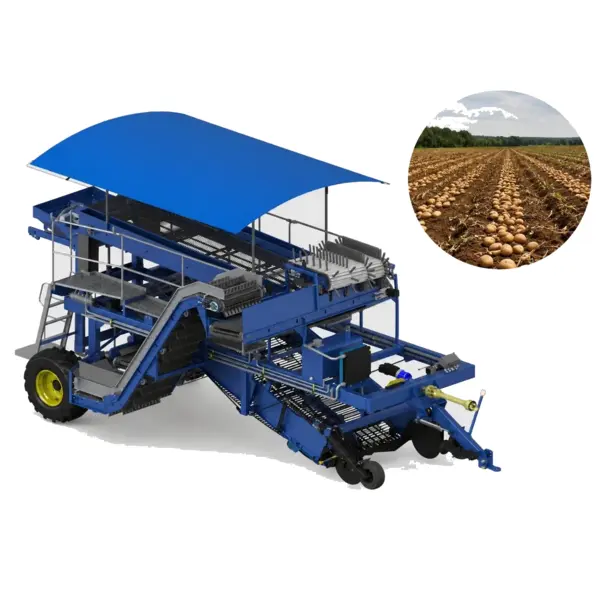
Colhe, classifica e enche. Sacos grandes de 700 kg Diretamente no campo — a EP-CWB-2L substitui a colheita, o recolhimento em leiras, o transporte, a seleção e o ensacamento com uma única passagem do trator. Batatas pequenas e grandes são separadas automaticamente.
Linha de processamento de 16 estágios, 100 HP540 RPM, 2–5 km/h. Estação de picking para o operador incluída. A solução completa do campo à embalagem para cadeias de suprimentos comerciais.
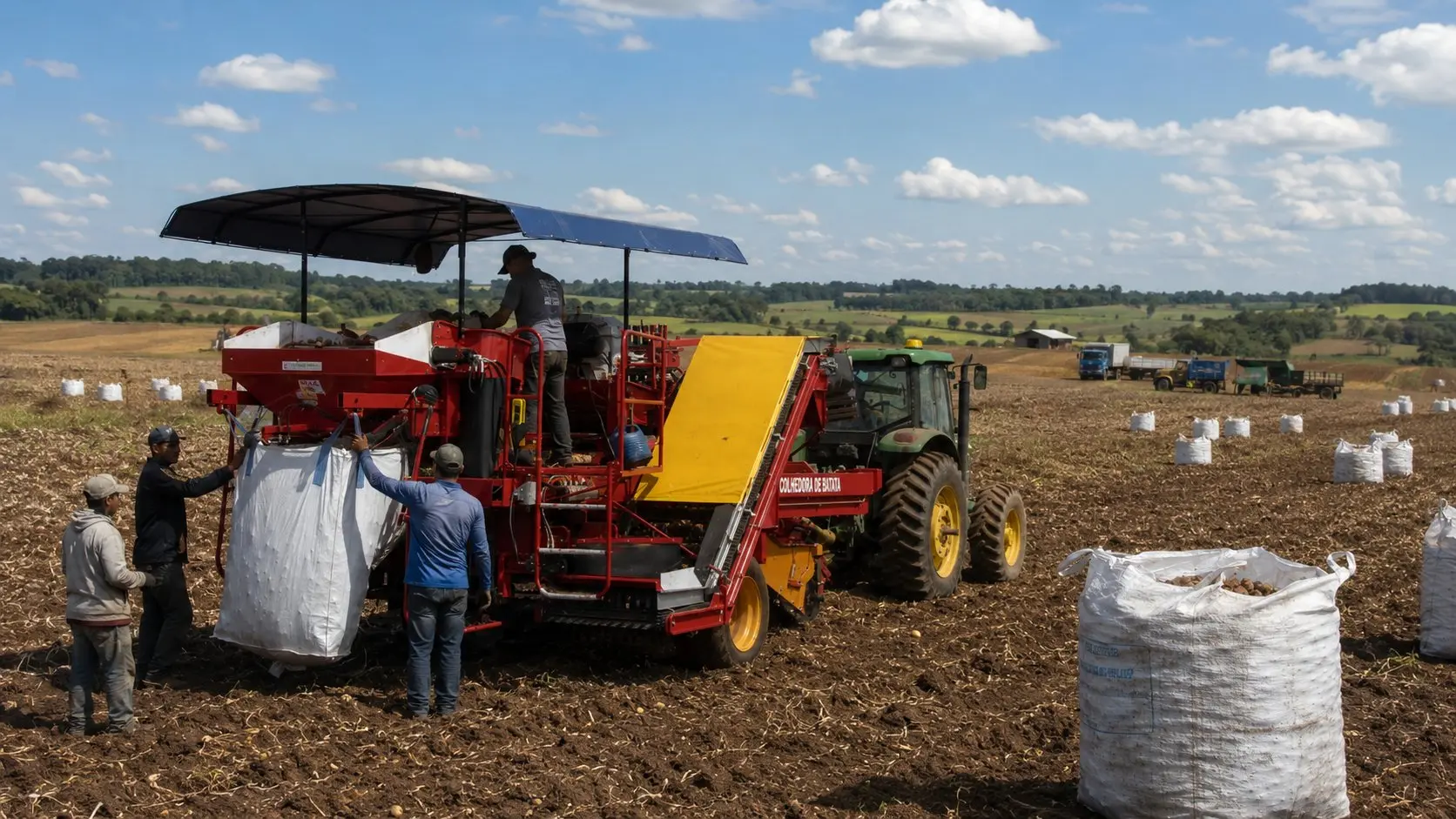
Do solo ao big bag — colheita, seleção e envase em uma única operação no campo.
A maioria das colhedoras de batata deixa a colheita em leiras. Depois vem a coleta, o transporte para um centro de embalagem, a triagem por qualidade e o ensacamento — cada etapa acrescenta tempo, combustível, mão de obra e aumenta as chances de danos aos tubérculos. A Watanabe Colhedora de batatas EP-CWB-2L Elimina todas as etapas de manuseio pós-colheita no campo. Levanta duas fileiras, separa o solo da palha através de seis estágios de esteira transportadora, passa as batatas por uma estação de seleção operada por um operador para remoção de batatas de alta qualidade, classifica por tamanho e enche contêineres comerciais. Sacos grandes de 700 kg — tudo em uma operação contínua enquanto o trator avança a uma velocidade de 2 a 5 km/h.
O resultado na beira do campo são grandes sacos de batatas selecionadas, classificadas e com qualidade verificada — prontas para serem carregadas diretamente em um caminhão e entregues a uma fábrica de processamento de chips, distribuidor ou ponto de embalagem para exportação. Sem leiras. Sem coleta separada. Sem etapa de triagem em central de embalagem. Sem manuseio intermediário entre o solo e o saco pronto para venda.
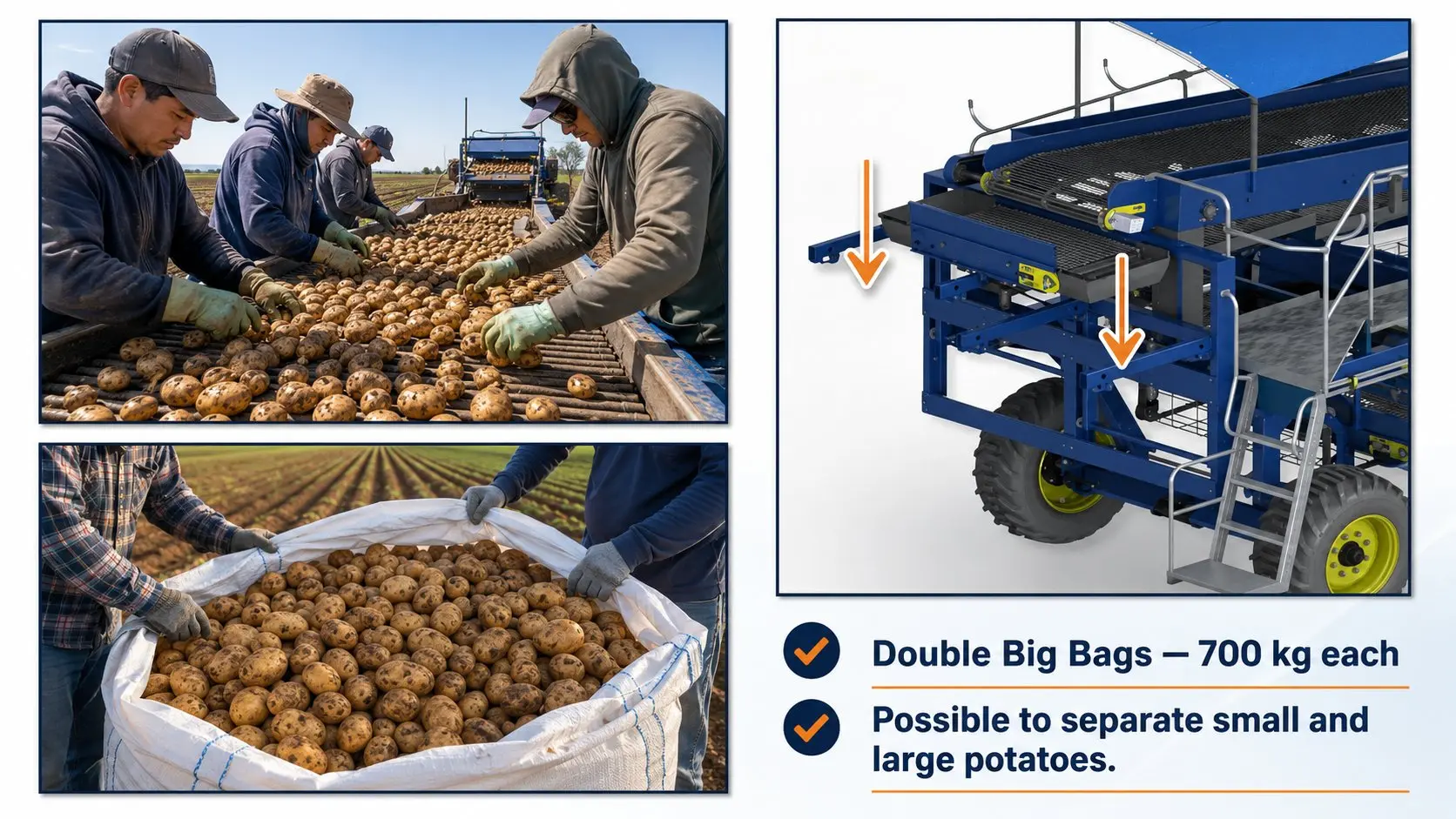
Esta máquina foi projetada para um contexto operacional específico: cadeias de suprimento comercial de batatas onde o cliente final recebe as batatas em big bags (FIBC — Flexible Intermediate Bulk Container) e onde a seleção é feita no campo, e não em um centro de embalagem. Na produção comercial coreana, esse contexto geralmente se aplica a:
- Fornecimento para processamento de chips — Empresas como as principais fabricantes coreanas de salgadinhos recebem batatas Atlantic em big bags e as classificam na unidade de recebimento. A separação por tamanho no campo reduz a porcentagem de tubérculos fora das especificações em cada saco, melhorando a qualidade da entrega e reduzindo as rejeições na entrada da processadora.
- Grandes fazendas comerciais e cooperativas — operações que fornecem mais de 30 toneladas de batatas diretamente para distribuidores ou empacotadores de exportação que utilizam o formato big bag para manuseio a granel.
- Produção orientada para a exportação — A Ilha de Jeju e algumas operações comerciais em Gangwon-do fornecem batatas para o Japão e o Sudeste Asiático; a embalagem em big bags é padrão nessas cadeias de suprimentos, e a triagem no campo reduz a mão de obra e a interrupção da cadeia de frio que a classificação fora da fazenda exige.
O EP-CWB-2L é uma máquina grande e complexa: 4.500 kgCom 8,8 metros de comprimento e 3,9 metros de altura, a colhedora EP-CWB-2L possui 16 estágios mecânicos e hidráulicos entre a lâmina de escavação e o saco cheio. Opera a uma velocidade de 2 a 5 km/h — a mais baixa de toda a linha de máquinas para batata da Watanabe. Essa velocidade reduzida é uma vantagem, não uma limitação: cada batata passa por mais estágios de separação e controle de qualidade em velocidades mais baixas, resultando em um produto final mais limpo do que qualquer colhedora de leiras de alta velocidade consegue igualar. Para cadeias de suprimentos onde a qualidade do saco na entrega determina o preço ou a manutenção do contrato, a EP-CWB-2L justifica sua presença na linha de equipamentos.
Especificações técnicas – EP-CWB-2L
Todos os dados foram obtidos do catálogo oficial do produto Watanabe. O modelo EP-CWB-2L é único — ao contrário da série AWB, que possui várias variantes, existe uma única especificação que abrange todas as unidades. O peso vazio de 4.500 kg e o comprimento de 8.800 mm refletem o sistema completo de processamento e ensacamento de 16 estágios que a máquina contém.
| DADOS TÉCNICOS | EP-CWB-2L |
|---|---|
| Dimensões | |
| Comprimento (mm) | 8,800 |
| Largura (mm) | 3,200 |
| Altura (mm) | 3,900 |
| Peso vazio | 4.500 kg |
| Requisitos do trator | |
| Potência do motor (mín.) | 100 cv |
| Velocidade de entrada do eixo cardan | 540 RPM |
| Válvulas de controle necessárias | 2 |
| Velocidade de trabalho | 2–5 km/h |
| Capacidade | |
| Capacidade da bolsa grande | 700 kg cada (sacos duplos) |
| Classificação por tamanho | Separação de batatas pequenas/grandes |
ⓘ cv = potência em cavalos-vapor métricos. 100 cv ≈ 98,6 HP. O CWB-2L requer uma tomada de força (TDF) de 540 RPM (entrada por eixo cardã) e duas válvulas de controle hidráulico do trator para o sistema de acionamento hidráulico completo. Verifique se ambas as saídas estão disponíveis em seu trator antes de fazer o pedido. Tipo de montagem: engate de reboque. Dados obtidos do folheto oficial do produto Watanabe.
A linha de processamento de 16 estágios — cada componente explicado
A EP-CWB-2L atinge sua capacidade de colheita "do campo à sacola" por meio de dezesseis componentes mecânicos e hidráulicos distintos, dispostos em sequência ao longo dos 8,8 metros de comprimento da máquina. Compreender a função de cada componente ajuda a operar a máquina corretamente e a mantê-la em boas condições. Aqui está a sequência completa dos componentes, desde a conexão com o trator até a sacola cheia:
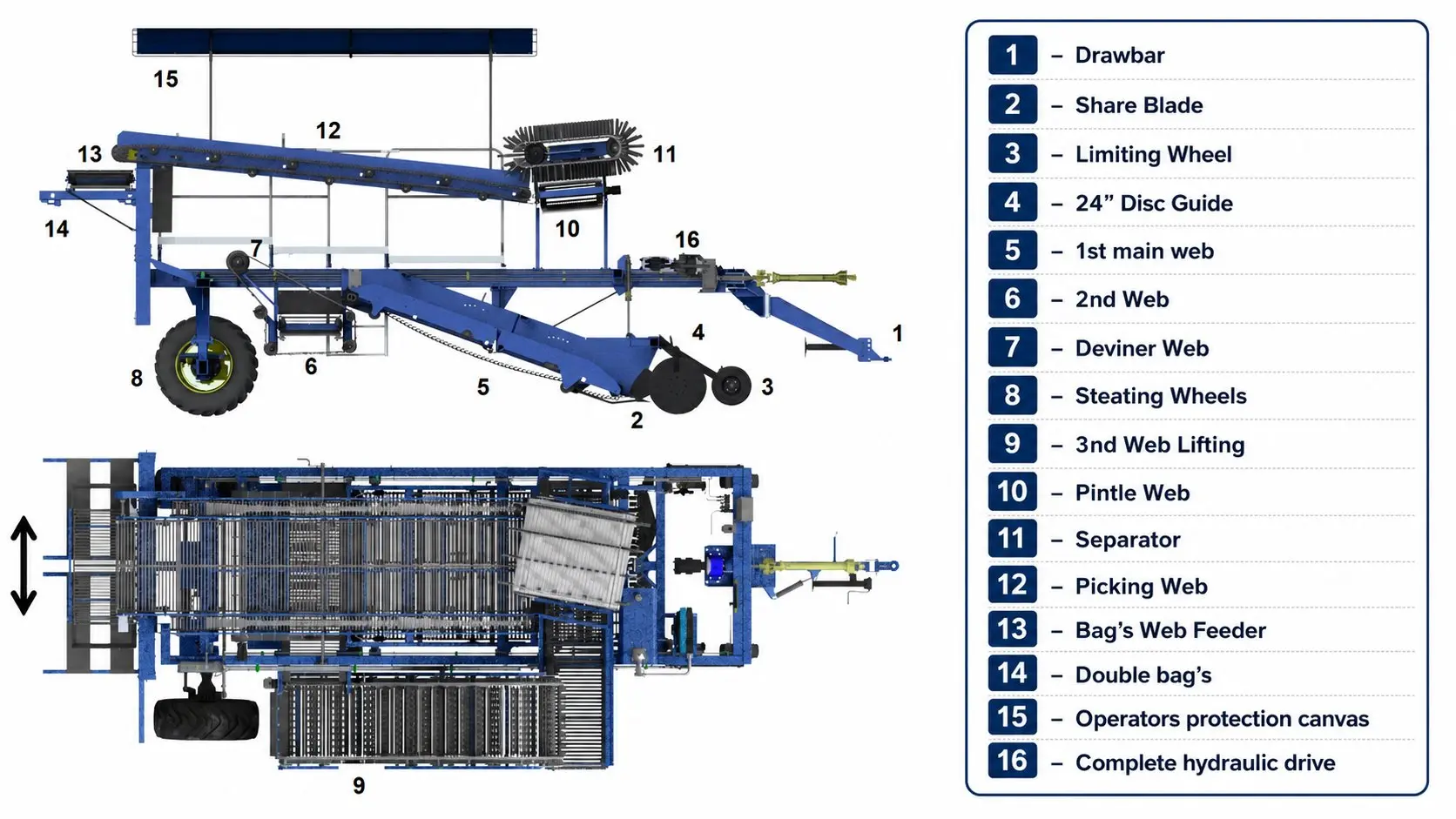
① Barra de tração
Ponto de engate do trator. O CWB-2L segue atrás do trator por meio de um engate de barra de tração, puxando a máquina de 4.500 kg sobre suas próprias rodas de apoio pelo campo de batatas.
② Compartilhar Lâmina
A lâmina plana desliza sob o canteiro de batatas na profundidade de trabalho definida, levantando toda a massa de solo do canteiro — tubérculos e solo juntos — para a tela principal. A configuração correta da profundidade é fundamental para evitar danos causados pelo corte da lâmina.
③ Roda Limitadora
Desliza sobre o solo não escavado junto à crista para limitar a profundidade máxima da lâmina. Impede que a lâmina penetre demasiado em solo macio ou em declives, mantendo uma profundidade de elevação consistente em terrenos variáveis.
④ Guia de Discos de 24"
Um disco de 24 polegadas que se desloca no espaço entre as linhas para guiar o movimento da máquina ao longo das linhas plantadas. Mantém as lâminas de corte centradas nos sulcos durante toda a passagem, compensando qualquer desvio da direção do trator.
⑤ 1ª Web Principal
A esteira de separação primária — uma ampla corrente de barras de aço que transporta o material levantado do canteiro e permite que o solo caia através das aberturas das barras enquanto os tubérculos se deslocam para trás. É aqui que ocorre a maior parte da separação do solo.
⑥ 2ª Web
Um segundo estágio de transporte continua a separação do solo da esteira principal, processando o material que não foi totalmente separado na primeira passagem. O sistema de esteira dupla proporciona maior tempo e distância de separação do que as máquinas de esteira única.
⑦ Web Deviner
A etapa de separação da rama (parte aérea) consiste em uma peneira especializada que separa a rama da batata dos tubérculos. Essencial para as colheitas de primavera, quando a cobertura de ramas é significativa. Impede que a rama entre nos big bags, o que, de outra forma, exigiria a remoção manual na unidade de recebimento.
⑧ Volantes
As próprias rodas da máquina suportam seu peso e permitem o controle direcional enquanto ela segue o trator. O acionamento hidráulico controla essas rodas para manter a máquina alinhada com a direção da fileira, independentemente das variações do terreno.
⑨ 3ª Web — Elevação
Uma terceira etapa de transporte eleva os tubérculos limpos do nível de separação inferior para a seção superior da máquina, onde ocorrem a seleção, a colheita e o enchimento dos sacos. O design com inclinação suave minimiza o impacto durante a elevação das batatas.
⑩ Pintle Web
Uma esteira de corrente especializada com elos tipo pino — pinos de metal que se estendem dos elos da corrente — proporciona uma superfície de aderência adicional para as batatas durante a fase de elevação, evitando que tombem e rolem na seção inclinada. Esse efeito de suavização contribui diretamente para o baixo índice de danos aos tubérculos causado pela máquina.
⑪ Separador
A etapa de classificação por tamanho separa as batatas pequenas das grandes, permitindo que os tubérculos menores passem por uma abertura ou tela graduada, enquanto os maiores continuam no caminho principal da esteira. Essa é a função de classificação em campo que diferencia a CWB-2L de todas as outras colhedoras de batata Watanabe.
⑫ Selecionando a Web
Uma esteira transportadora de movimento lento, onde operadores humanos posicionados na máquina removem tubérculos danificados, doentes ou visualmente inadequados antes que cheguem aos sacos grandes. Esta é a etapa de controle de qualidade — a inspeção realizada pelo operador, algo que nenhuma peneira mecânica consegue replicar. A esteira de seleção é o que permite à EP-CWB-2L encher sacos com padrões de qualidade que atendem aos requisitos do processador.
⑬ Alimentador de teia de saco
O estágio final da esteira transportadora direciona as batatas, previamente selecionadas e com controle de qualidade, para as estruturas de envase dos big bags. A vazão é controlada para encher os sacos suavemente, sem o impacto de quedas que o envase direto causaria, protegendo assim a integridade da casca do tubérculo na etapa final.
⑭ Sacos duplos (700 kg cada)
Duas estruturas para big bags, posicionadas na parte traseira da máquina, comportam simultaneamente dois big bags de 700 kg. Um bagageiro recebe tubérculos de tamanho grande, enquanto o outro recebe tubérculos de tamanho pequeno, preenchendo simultaneamente dois tamanhos diferentes durante a colheita. Quando um bagageiro está cheio, ele é baixado ao solo e um novo bagageiro é colocado na estrutura, sem interromper a operação de colheita.
⑮ Tela de proteção do operador
Uma cobertura ou estrutura de sombreamento sobre a estação de colheita do operador protege a equipe que opera a esteira de colheita do sol direto, da chuva e da poeira levantada durante a operação de colheita. As condições de colheita de verão na Coreia — calor de junho a julho em Gangwon-do, sol de abril a maio em Jeju — tornam essa proteção praticamente necessária para turnos diários prolongados.
⑯ Acionamento hidráulico completo
Todos os transportadores, o separador, o alimentador de sacos e o mecanismo de direção são acionados pelo sistema hidráulico integrado da máquina, alimentado pela tomada de força (TDF) do trator através do eixo cardã a 540 RPM. O acionamento hidráulico permite um controle suave e de velocidade variável de cada estágio do transportador de forma independente — uma capacidade que um acionamento mecânico rígido por corrente não consegue proporcionar — e é por isso que são necessárias duas válvulas de controle hidráulico no trator.
O EP-CWB-2L em operação — passo a passo
Etapa 1 — Elevação e Separação Primária do Solo
A lâmina de corte desliza sob o canteiro na profundidade definida pela roda limitadora, elevando toda a zona de tubérculos para a primeira esteira principal. O guia de disco de 60 cm (24") mantém a máquina seguindo a linha de plantio com precisão à medida que o trator avança. Na esteira principal, a maior parte da carga de solo cai através das aberturas das barras de volta à superfície do campo. A esteira de desbrota remove então os ramos e a palha da correnteza — ao final desta etapa, o que resta são principalmente tubérculos limpos com uma pequena quantidade de solo e detritos residuais.
Etapa 2 — Elevação e Limpeza Final
O terceiro estágio de elevação da esteira e a esteira com pinos transportam os tubérculos limpos da área de separação para a seção superior da máquina, onde estão localizados a plataforma do operador e o equipamento de enchimento de sacos. A superfície especializada da esteira com pinos impede que os tubérculos rolem ou deslizem durante o transporte inclinado, reduzindo danos à casca causados por impacto. Quaisquer torrões de terra ou pequenas pedras remanescentes que tenham sobrevivido à separação primária têm uma oportunidade adicional de se separarem dos tubérculos durante este estágio de elevação.
Etapa 3 — Separação por tamanho e controle de qualidade do operador
Na seção superior, o estágio de separação classifica o fluxo de batatas por tamanho: os tubérculos menores passam pela abertura do separador e são direcionados para um saco grande; os tubérculos maiores seguem para o segundo saco grande. O limite entre os tamanhos pequeno e grande pode ser ajustado para atender às especificações de compra do cliente final — diâmetros mínimos para processadores de chips, especificações para exportação ou requisitos de tamanho para o mercado de produtos frescos.
Simultaneamente, a esteira de colheita passa o fluxo completo de tubérculos pela estação de colheita do operador a uma velocidade suficientemente baixa para que os operadores possam inspecionar visualmente cada batata e remover tubérculos danificados, verdes, doentes ou inadequados por qualquer outro motivo. Esta etapa manual de controle de qualidade é o que permite à EP-CWB-2L encher sacos com batatas prontas para processamento ou exportação, sem a necessidade de uma etapa de classificação em uma central de embalagem. A velocidade de trabalho de 2 a 5 km/h é definida para proporcionar aos operadores da esteira de colheita tempo suficiente para inspecionar cada tubérculo — uma operação mais rápida faria com que os tubérculos passassem pelos operadores muito rapidamente, comprometendo o controle de qualidade.
Etapa 4 — Enchimento dos sacos e colocação no campo
O alimentador de sacos direciona as duas categorias de batata separadas para seus respectivos big bags de 700 kg, enchendo cada um cuidadosamente para minimizar danos por impacto na etapa final de manuseio. Quando um saco está cheio, o operador sinaliza para o motorista do trator parar brevemente enquanto o saco cheio é baixado ao solo ao lado da máquina e um saco vazio é colocado na estrutura. Essa troca de saco leva aproximadamente 2 a 3 minutos e é a única parada programada na operação de colheita — diferentemente das colhedoras de leiras que exigem passagens de coleta completamente separadas.
Os sacos cheios são deixados no campo para serem carregados por uma pá carregadeira ou manipulador telescópico ao final da colheita do dia, ou recolhidos por um veículo de logística que segue a colhedora em intervalos curtos. Qualquer uma das abordagens resulta em um campo limpo com big bags cheios e classificados em intervalos regulares — prontos para carregamento e transporte imediatos até o ponto de entrega.
Principais vantagens do sistema de colheita EP-CWB-2L
■ Da colheita ao ensacamento em uma única passagem
Elimina a formação de leiras, a coleta, o transporte, a triagem na central de embalagem e o ensacamento como operações separadas. O que antes exigia de quatro a seis etapas pós-colheita — cada uma adicionando tempo, combustível, mão de obra e danos cumulativos ao manuseio dos tubérculos — é consolidado em uma única operação contínua no campo.
■ Classificação de tamanho em campo
Batatas pequenas e grandes são separadas automaticamente no campo, sendo ensacadas individualmente de acordo com o tamanho. Para o fornecimento comercial a processadores de chips ou compradores de exportação que especificam um diâmetro mínimo para os tubérculos, a classificação no campo elimina o risco de rejeição devido à mistura de tubérculos fora das especificações em um saco não selecionado — melhorando a qualidade da entrega e a confiabilidade da fazenda como fornecedora.
■ Estação de separação de pedidos do operador
A esteira de seleção permite que a equipe de colheita remova tubérculos danificados, doentes ou visualmente não conformes antes que cheguem ao saco. Nenhuma classificadora mecânica consegue igualar a detecção visual de qualidade humana — esta estação de operação é o que possibilita o enchimento de sacos para processamento ou exportação diretamente no campo, sem a necessidade de uma inspeção posterior na central de embalagem.
■ Manuseio mínimo, menos danos
Cada etapa adicional de manuseio — transferência de batatas da leira para o reboque, do reboque para a classificadora, da classificadora para a esteira de ensacamento — aumenta o risco de danos. O percurso único e contínuo do campo ao saco da CWB-2L reduz o número total de contatos de manuseio de seis ou mais (em um fluxo de trabalho típico de leira → unidade de embalagem) para a sequência controlada da própria máquina, através da esteira.
■ Embalagem comercial padrão
Os big bags FIBC de 700 kg são o formato padrão de embalagem a granel para batatas, sendo ideais para processadores de chips, grandes distribuidores e operações de exportação. O envase direto no campo permite que o produto seja transportado da colheita para a entrega sem necessidade de reembalagem, eliminando uma etapa adicional de manuseio e o custo de capital de equipamentos de ensacamento em centros de embalagem.
Onde o EP-CWB-2L é utilizado
🌿 Fornecimento para Processamento Comercial de Chips — Atlantic Variety
A batata Atlantic, principal variedade para processamento de chips na Coreia, é cultivada sob contrato com os principais fabricantes de salgadinhos. Os processadores de chips — incluindo as grandes empresas de confeitaria coreanas que dominam o mercado interno de salgadinhos — recebem o fornecimento comercial em big bags e especificam o diâmetro mínimo do tubérculo e as taxas máximas de defeitos. Atender a essas especificações de entrega, gerenciando ao mesmo tempo o volume exigido pelo contrato de fornecimento, é o principal desafio operacional para os grandes produtores de batata Atlantic.
A EP-CWB-2L resolve esse desafio diretamente. O estágio de separação separa os tubérculos com diâmetro inferior ao mínimo em um saco separado (que pode ser vendido para o mercado de produtos frescos ou processado para uma segunda categoria), enquanto os operadores da esteira de coleta identificam os tubérculos danificados ou com defeitos visuais antes que cheguem ao saco da categoria principal. O resultado é um saco grande, preenchido de acordo com as especificações do processador, diretamente no campo — sem necessidade de reclassificação na central de embalagem e com menor taxa de rejeição no recebimento do processador.
🌻 Operações de Batata para Exportação
As exportações de batata coreanas — principalmente para o Japão, Sudeste Asiático e partes do Oriente Médio — exigem classificação consistente por tamanho, inspeção de qualidade documentada e embalagem padronizada em big bags. As operações voltadas especificamente para o mercado de exportação enfrentam os requisitos de especificação pós-colheita mais exigentes de toda a cadeia de suprimentos de batata coreana, e o custo de reprovação na inspeção do comprador no porto de destino é substancialmente maior do que o de uma rejeição na entrega doméstica.
Para os produtores de batata de inverno-primavera da Ilha de Jeju que abastecem importadores japoneses, e para as operações comerciais de Gangwon-do que atendem distribuidores do Sudeste Asiático, a EP-CWB-2L oferece a capacidade de classificação e controle de qualidade no campo que transforma o que de outra forma exigiria uma operação em um centro de embalagem em um fluxo de trabalho de colheita no campo — reduzindo a complexidade total da cadeia de suprimentos e as interrupções na cadeia de frio que o manuseio em centros de embalagem introduz.
🏗 Cooperativas com Contratos de Entrega Direta em Grande Quantidade
Na Coreia, as cooperativas agrícolas (농업협동조합) têm firmado cada vez mais contratos de fornecimento direto com grandes varejistas (Emart, Homeplus, Lotte Mart) e distribuidores regionais, que recebem batatas em big bags para triagem e embalagem no varejo. Para as cooperativas que consolidam a produção de diversas fazendas associadas para entrega em grande escala, dispor de equipamentos de colheita que enchem os big bags diretamente no campo simplifica consideravelmente a logística — a colheita de cada fazenda associada pode ser entregue diretamente do campo para o ponto de expedição da cooperativa em big bags padrão, sem a necessidade de uma instalação intermediária de classificação.
A equipe de operadores de colheitadeira geralmente é composta por 2 a 4 trabalhadores por máquina, dependendo da densidade de tubérculos e da velocidade de trabalho. No caso das cooperativas, essa equipe costuma ser formada por funcionários das próprias fazendas associadas durante o período de colheita — um acordo de trabalho sazonal que evita o custo de capital de uma operação completa de embalagem.
Etapa 7 Alternativa — Quando escolher o CWB-2L em vez da série AWB
A EP-CWB-2L ocupa a mesma posição no sistema de colheita de batatas Watanabe que a série de colhedoras AWB — Etapa 7, ColheitaA escolha entre elas depende de como você precisa que as batatas colhidas sejam entregues. Use esta comparação para identificar a abordagem correta:
| Fator | Escavadeira da Série AWB | EP-CWB-2L |
|---|---|---|
| Formato de saída | leira no campo | Sacos grandes cheios (700 kg cada) |
| Classificação de tamanho | Não incluído | Integrado, ao nível do campo |
| Controle de qualidade | Pós-colheita (centro de embalagem) | Em campo (operadores de coleta de dados em web) |
| Velocidade de trabalho | 3–10 km/h | 2–5 km/h |
| Peso da máquina | 800–3.000 kg | 4.500 kg |
| Operadores necessários | Somente motorista de trator | Motorista + 2 a 4 funcionários de colheita |
| Etapas pós-colheita necessárias | Coleta, transporte, triagem, ensacamento | Carregar as malas — concluído |
Escolha a série de escavadeiras AWB (montado ou seguido) quando sua cadeia de suprimentos lida com a triagem e o ensacamento fora da fazenda, quando a velocidade de processamento da colheita diária é a principal preocupação ou quando você não fornece a um comprador com especificações de entrega de sacos de qualidade específica.
Escolha o EP-CWB-2L Quando a sua cadeia de suprimentos de batata termina em big bags cheios — para um processador de chips, comprador de exportação ou distribuidor — e quando a classificação e o controle de qualidade no campo eliminariam uma ou mais etapas de embalagem que atualmente adicionam tempo, mão de obra e danos ao manuseio à sua operação.
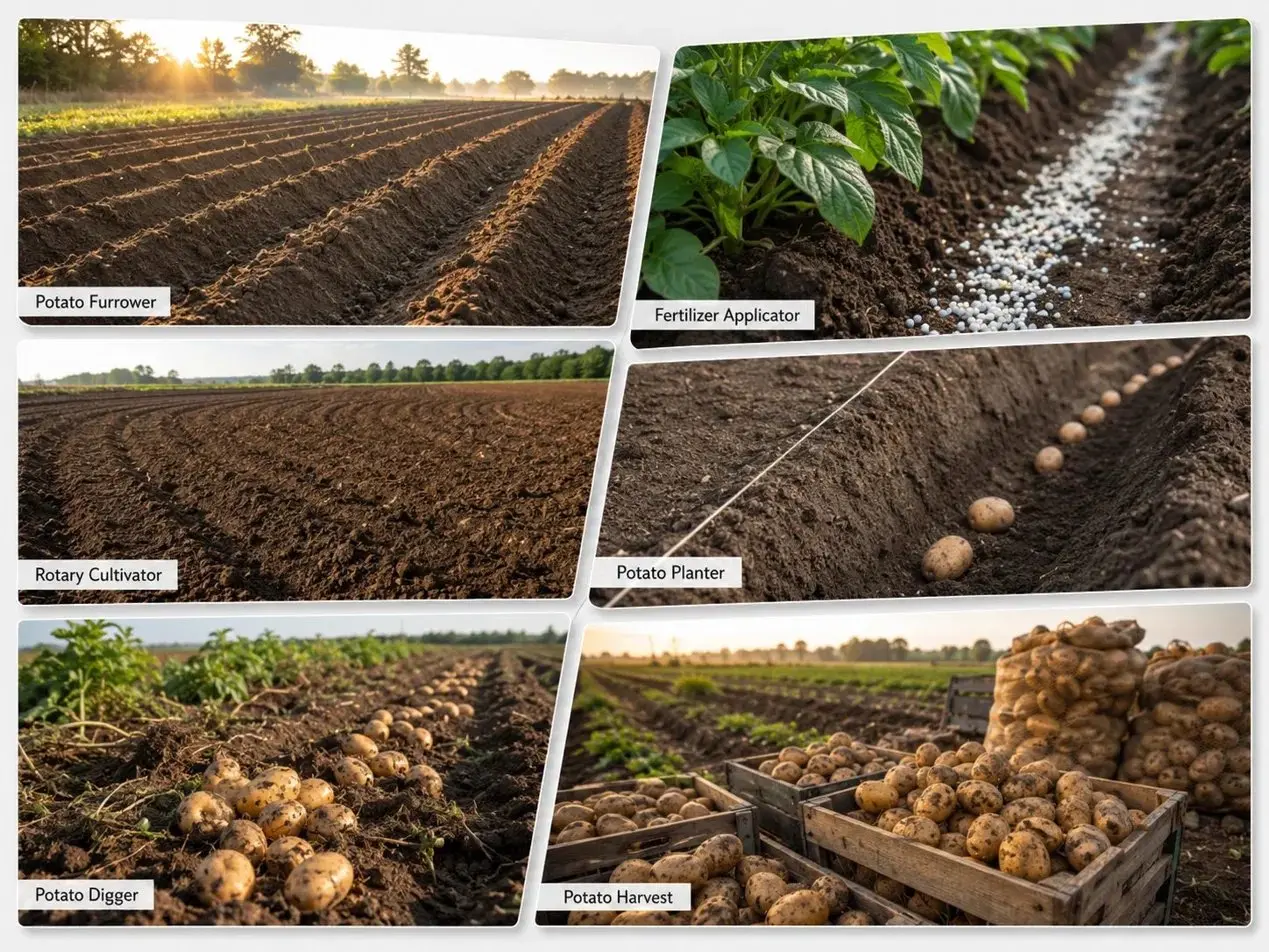
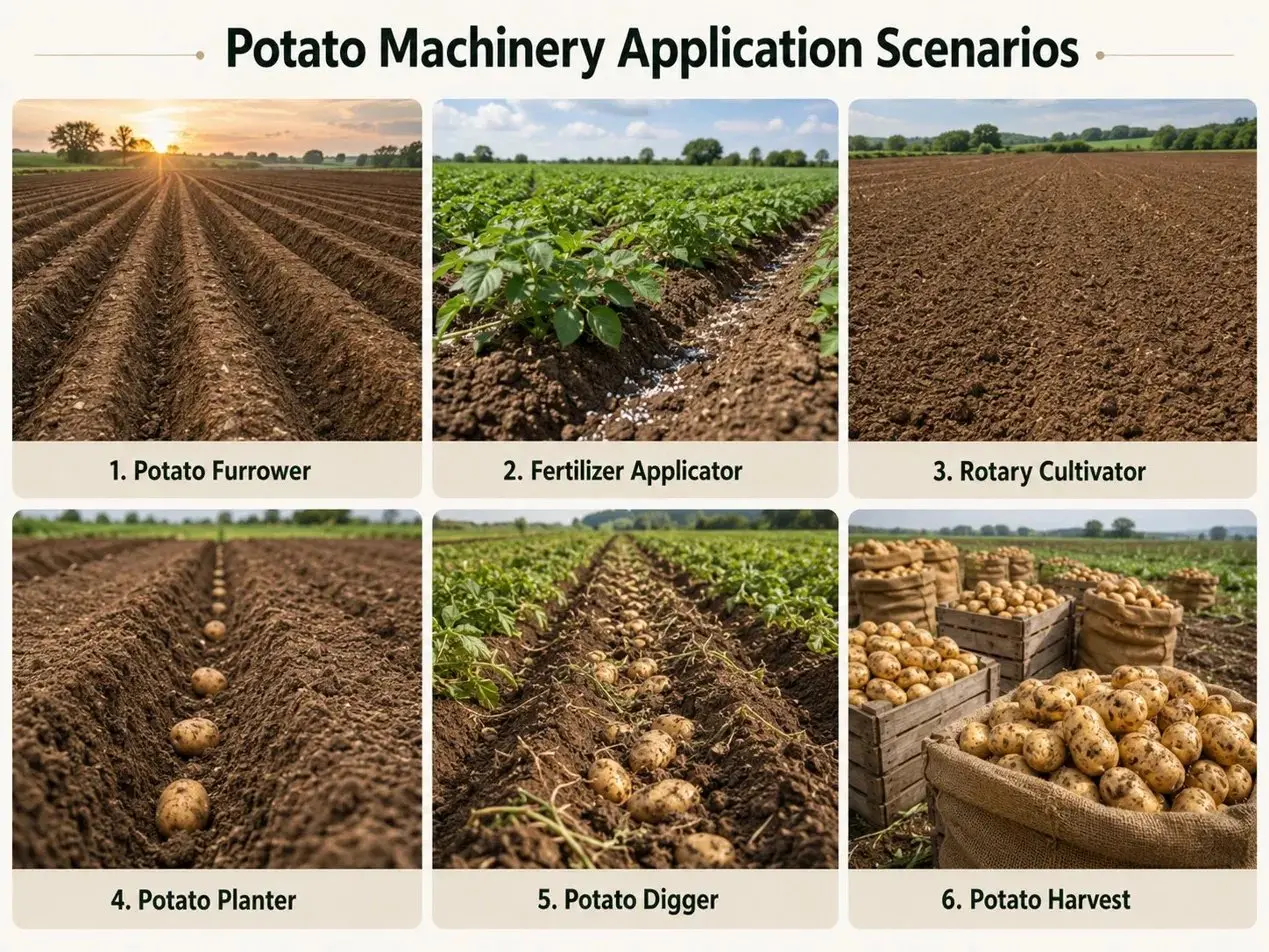
O sistema completo de sete etapas para batatas Watanabe se aplica a ambas as opções de colheita. As etapas 1 a 6 permanecem idênticas, independentemente da máquina de colheita selecionada na etapa 7:
Remoção de pedras (Ancinho de pedra) → Preparo do solo (Rotavador) → Sulcagem → Adubação → Plantio → Cultivo de Meio de Temporada
Colheita - EP-CWB-2L (Entrega em big bags) ou série EP-AWB (entrega em leiras) — dependendo dos requisitos da sua cadeia de suprimentos.
Watanabe Engineering — Projetada para os padrões da cadeia de suprimentos comercial
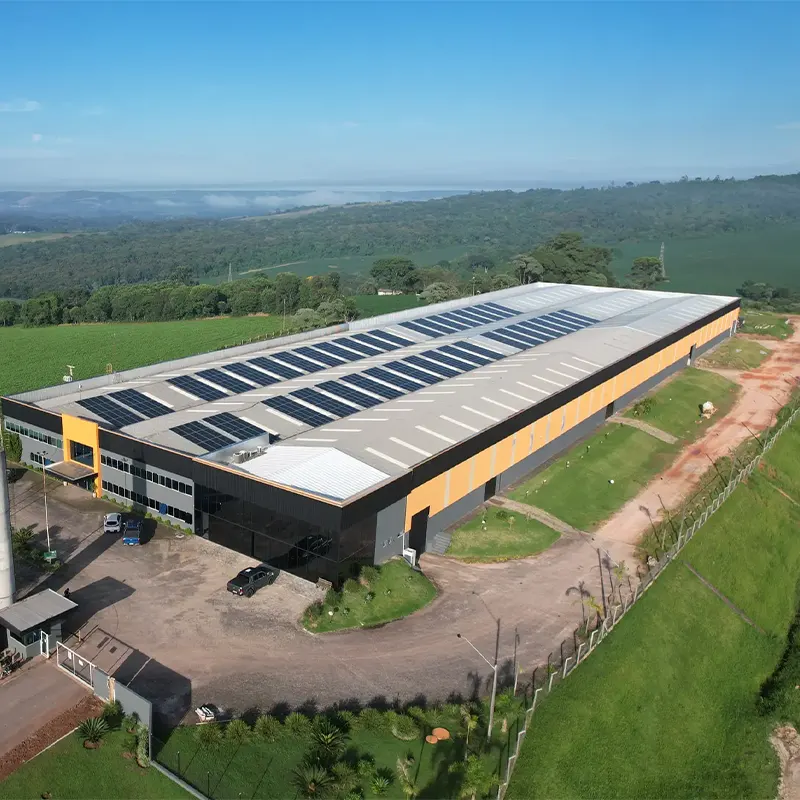
A EP-CWB-2L é o implemento mais complexo da linha de máquinas para batata da Watanabe — 16 componentes mecânicos e hidráulicos interagindo e operando continuamente durante todo o dia de colheita. Os mais de 50 anos de experiência da Watanabe em fabricação no Paraná, Brasil, resultaram em um projeto validado em operações comerciais de batata no Brasil, com escala e requisitos de cadeia de suprimentos semelhantes aos da produção comercial coreana.
O sistema de acionamento hidráulico — que alimenta todas as esteiras transportadoras de forma independente — é particularmente importante para a manutenção da qualidade: o controle hidráulico de velocidade permite que cada estágio da esteira seja ajustado para a velocidade de transporte ideal, considerando a densidade da cultura e as condições do solo. Um acionamento mecânico de relação fixa não oferece essa flexibilidade operacional. A necessidade de duas válvulas de controle no trator reflete essa abrangência do acionamento hidráulico completo.
✓ Compatibilidade com tratores antes da venda
Verificamos a potência de saída da tomada de força (540 RPM) e a disponibilidade de duas válvulas de controle hidráulico no seu trator antes de efetuar o pedido. O limite de classificação do separador — divisão entre batatas pequenas e grandes — também é confirmado na fase de pré-venda para atender às especificações do seu comprador.
✓ Componentes Web em estoque local
As barras de transmissão primárias, os componentes da transmissão por pino e as peças de desgaste da lâmina de transmissão para a CWB-2L estão disponíveis em estoque localmente em Ansan-si. A complexidade da máquina torna a inspeção pré-temporada e a pré-encomenda de peças particularmente importantes — uma avaria no meio da colheita em uma máquina de múltiplos estágios de 4.500 kg tem um tempo de resolução maior do que em uma colhedora mais simples.
✓ Orientações para a configuração da equipe
O dimensionamento e o posicionamento da equipe de colheita, o procedimento de troca de sacos e o ajuste da classificação do separador são todos abordados em nosso suporte de configuração pré-temporada. Acertar esses parâmetros operacionais antes do primeiro dia de colheita tem um impacto direto na qualidade da produção diária e na eficiência da equipe.
Perguntas frequentes – Colheitadeira de batatas EP-CWB-2L
O que exatamente é uma "big bag" e o que significa a especificação de 700 kg?
Um big bag — formalmente chamado de Flexible Intermediate Bulk Container (FIBC) ou jumbo bag — é um grande saco de tecido industrial projetado para produtos secos a granel. Os tamanhos padrão comumente usados na distribuição comercial de batatas na Coreia comportam de 500 a 1.000 kg. O EP-CWB-2L foi projetado para encher sacos com capacidade de 700 kg. Os sacos FIBC são o formato padrão de recebimento em fábricas de processamento de batatas fritas e grandes centros de distribuição — eles são empilhados de forma eficiente em paletes, manuseados por empilhadeira e podem ser descarregados diretamente nas linhas de processamento. Os sacos devem ser adquiridos separadamente pelo operador; podemos aconselhar sobre as especificações apropriadas de FIBC para uso na colheita de batatas.
Como funciona a separação por tamanho em campo?
Na etapa de separação, o fluxo de tubérculos passa por uma abertura ou tela graduada: os tubérculos menores caem em um caminho separado, seguindo para o saco de tubérculos menores, enquanto os tubérculos maiores continuam para o saco de tubérculos maiores. O limite efetivo de separação — o tamanho que divide os tubérculos pequenos dos maiores — é ajustável e deve ser configurado de acordo com as especificações do seu comprador antes do início da safra. Oferecemos orientações sobre o procedimento de ajuste da separação nas etapas de pré-venda e preparação para a safra. O ajuste deve ser confirmado com uma passagem de calibração antes do início da colheita comercial para garantir que o limite de separação corresponda à divisão de tamanho desejada.
Quantos operadores são necessários na linha de separação de pedidos?
Normalmente, são utilizados de 2 a 4 operadores na esteira de colheita, dependendo da densidade dos tubérculos, da velocidade de trabalho e dos padrões de controle de qualidade. A 2 km/h, em uma cultura densa com altos padrões de qualidade de colheita, de 3 a 4 operadores conseguem inspecionar todo o fluxo. A 4 km/h, com uma cultura mais limpa, 2 operadores podem ser suficientes. Nas operações comerciais de colheita na Coreia, a equipe de colheita geralmente é composta por trabalhadores agrícolas sazonais ou famílias associadas a cooperativas — definir o tamanho ideal da equipe para a sua cultura antes da época da colheita reduz os gargalos durante o período de colheita propriamente dito.
O que acontece quando um saco grande está cheio?
Quando um saco atinge o peso máximo de 700 kg, o operador do trator para brevemente enquanto a equipe de colheita baixa o saco cheio até o solo usando o mecanismo de armação e coloca um saco vazio na armação. Essa troca de saco normalmente leva de 2 a 3 minutos. Os sacos cheios são deixados em pé no campo, em fila, na parte traseira da trajetória da máquina — eles são recolhidos por uma pá carregadeira ou manipulador telescópico ao final da operação do dia, ou por um veículo de coleta subsequente. A parada para troca de saco é a única pausa operacional programada no dia de colheita — diferentemente das colhedoras de leiras, onde a coleta é uma operação subsequente completamente separada.
Por que a velocidade de trabalho é de 2 a 5 km/h — mais lenta do que a da série de escavadeiras AWB?
A velocidade de trabalho reduzida é uma característica necessária do projeto da CWB-2L, e não uma limitação. Dois fatores exigem a velocidade reduzida: (1) a cadeia de separação em múltiplos estágios — seis estágios da esteira transportadora precisam de tempo suficiente para separar completamente o solo, as ramas e os detritos antes que os tubérculos cheguem à estação do operador; (2) o controle de qualidade da esteira de colheita — em velocidades mais altas, os tubérculos passam pelos operadores muito rapidamente para uma inspeção visual eficaz. A faixa de 2 a 5 km/h representa o equilíbrio entre a produtividade aceitável da colheita e a qualidade da separação e inspeção que torna viável o processo "do campo ao big bag". A área de colheita diária é menor do que a da série AWB, mas a mão de obra para o manuseio pós-colheita é eliminada — a eficiência operacional líquida depende da sua cadeia de suprimentos específica.
O modelo EP-CWB-2L é adequado para terrenos em encostas ou em socalcos?
A EP-CWB-2L é uma máquina de grande porte — 8,8 metros de comprimento, 3,9 metros de altura e 4.500 kg de peso vazio. Ela foi projetada para campos comerciais de batata abertos, relativamente planos ou com declives suaves, com acesso adequado para uma máquina desse tamanho. Terrenos com terraços estreitos, encostas íngremes e estradas rurais estreitas não são ambientes operacionais apropriados para a CWB-2L. Para a produção de batata em encostas e terraços na Coreia, a série de colhedoras montadas compactas EP-AWB-1600 é a opção mais prática. Se você tiver dúvidas sobre a adequação de seus campos para a CWB-2L, entre em contato conosco para discutir as dimensões do seu campo, as vias de acesso e os perfis de declive antes de fazer o pedido.
Que preparo é necessário no campo antes da colheita da variedade CWB-2L?
A mesma sequência de sete etapas se aplica a qualquer colhedora Watanabe: remoção de pedras, preparo primário do solo, sulcagem, fertilização, plantio e cultivo de meio de safra — todas executadas corretamente ao longo da temporada. O ajuste da profundidade da lâmina de corte antes da colheita é particularmente crítico para a CWB-2L, pois os tubérculos cortados que chegam à esteira de colheita aumentam a carga de trabalho do operador e reduzem a porcentagem do lote que passa pelo controle de qualidade. Permita um tempo adequado para a morte ou eliminação dos ramos antes da colheita para reduzir a carga na esteira de desfolha e minimizar a quantidade de ramos nos sacos.
De que forma o sistema de acionamento hidráulico completo afeta os requisitos de manutenção?
O sistema de acionamento hidráulico exige a verificação do nível e da condição do óleo hidráulico, a inspeção de todas as conexões das mangueiras quanto a vazamentos ou desgaste e a confirmação do funcionamento do cilindro hidráulico e do motor antes do início de cada temporada. O óleo hidráulico deve ser trocado conforme o cronograma do fabricante — o óleo hidráulico contaminado é a principal causa de falha prematura de componentes hidráulicos em máquinas agrícolas complexas. Fornecemos o cronograma de manutenção e a documentação de especificações da Watanabe na entrega. Dada a complexidade da máquina, recomendamos uma inspeção completa antes da temporada, realizada por um mecânico de máquinas hidráulicas competente, durante as duas primeiras temporadas de operação.
Quantos hectares por dia o EP-CWB-2L consegue colher?
A uma velocidade de trabalho de 3 km/h e espaçamento entre linhas de 60 cm, a produtividade no campo é de aproximadamente 0,36 hectares por hora de tempo de deslocamento efetivo. Considerando as trocas de sacos, as manobras nas cabeceiras e as pausas operacionais típicas, uma área de colheita diária realista é de 2 a 3 hectares em um dia de trabalho completo. Isso é menor do que a série de colhedoras AWB, mas a CWB-2L substitui várias operações pós-colheita que o método de enleiramento da AWB ainda exige. A comparação da produtividade diária líquida deve incluir todas as etapas, do campo à entrega do saco, e não apenas o tempo de deslocamento da colhedora.
O que dizem nossos clientes
Ha Seong-tae — Fazenda de Batatas Atlantic Contract (22 ha), Pyeongchang-gun, Gangwon-do (verão de 2024)
★★★★★
"Fornecemos Atlantic para um dos principais fabricantes de chips sob um contrato plurianual com limites rigorosos de tamanho, classificação e defeitos. Antes da CWB-2L, a triagem era feita em uma instalação de embalagem alugada — o custo adicional e as duas etapas extras de manuseio estavam corroendo a margem do contrato. Após duas temporadas com a CWB-2L, agora entregamos diretamente do campo. A taxa de rejeição na entrada da processadora caiu de cerca de 8% para menos de 2% — a esteira de seleção no campo faz toda a diferença para detectar os chips danificados antes que cheguem ao saco. A máquina funciona bem em nosso trator John Deere de 115 HP com 2 válvulas remotas."
Yim Jae-hyeon — Operação de Exportação de Batata (Haryoung para o mercado japonês), Seogwipo, Ilha de Jeju (primavera de 2025)
★★★★★
"Fornecemos para um importador japonês que especifica diâmetro de 60+ mm em uma categoria e 40–60 mm em outra, ambas em big bags de 700 kg. Antes da CWB-2L, tínhamos duas etapas de triagem separadas: colheita para enleiramento, coleta, triagem em uma instalação e ensacamento. Agora, a máquina faz tudo isso no campo. A equipe de inspeção do comprador japonês ficou impressionada com a consistência da qualidade dos grãos nos sacos. Ela é mais lenta do que uma colhedora padrão, a 2–3 km/h nos campos de basalto de Jeju, mas para fornecimento de grãos para exportação, o tempo extra no campo é mais do que compensado pela eliminação completa da etapa de embalagem."
Lim Bo-young — Gerente de Cooperativa Agrícola, Hoengseong-gun, Gangwon-do (colheita de 2024)
★★★★★
"Nossa cooperativa, composta por seis fazendas associadas, possui um contrato de fornecimento direto com um grande distribuidor varejista que recebe a colheita em big bags. Utilizamos a colhedora CWB-2L como equipamento compartilhado entre as seis fazendas durante o período de colheita — de 3 a 4 dias por fazenda, com uma média de 2 a 3 hectares por dia. Os big bags vão diretamente do campo para nossa câmara fria e, em seguida, para as instalações do distribuidor. Temos uma equipe de colheita de três pessoas que se reveza entre as fazendas associadas. A equipe de assistência técnica da Coreia nos ajudou a planejar o rodízio da equipe e a logística de coleta dos big bags antes do primeiro uso — esse suporte no planejamento operacional foi fundamental."
Ko Dong-jin — Serviço de colheita por contrato, Wonju, Gangwon-do (2025)
★★★★★
"Utilizo a CWB-2L como serviço terceirizado para três fazendas que fornecem para processadoras de lascas de madeira. A área diária é menor do que com uma colhedora rebocada de alta velocidade, mas o preço do contrato reflete o serviço completo — colheita, classificação e ensacamento — em vez de apenas a colheita. As fazendas que atendo eliminam completamente a etapa de embalagem, o que é mais vantajoso para elas do que ter uma leira ligeiramente maior no final do dia. A máquina tem se mostrado confiável ao longo de duas temporadas. O suporte de configuração pré-temporada da equipe da Coreia incluiu o ajuste do separador e o posicionamento da equipe de colheita, o que foi muito útil na primeira temporada."
Bang Hyun-soo — Grande Fazenda Comercial de Batata (Atlântico, 35 ha), Jeongseon-gun, Gangwon-do (2024 e 2025)
★★★★★
"Utilizamos tanto uma colhedora rebocada CWB-2L quanto uma AWB-1600 CAR — a CWB-2L para os trechos do contrato de fornecimento para o Atlântico, onde a qualidade da embalagem é importante, e a AWB-1600 CAR para os trechos do mercado de produtos frescos, onde vendemos por meio de leilão local. Já faz duas temporadas que adotamos essa abordagem dividida e está funcionando bem. A retenção de contratos e o preço premium da seção que utiliza a CWB-2L mais do que justificaram o custo da máquina em comparação com o envio de tudo para o centro de embalagem. Uma observação: tenha um plano de logística bem organizado para troca de embalagens e coleta antes do início da colheita — é a complexidade operacional da CWB-2L que exige maior preparação."
Ji Young-hee — Fazenda de Batatas Orgânicas Premium (Dejima, vendas diretas), Inje-gun, Gangwon-do (primavera de 2025)
★★★★★
"Fornecemos tubérculos orgânicos Dejima para uma plataforma de supermercado online premium que exige classificação de 60+ mm em FIBCs de 700 kg, sem tubérculos doentes ou visualmente defeituosos. Nenhuma central de embalagem aceitava classificar nossos volumes com esses padrões — antes do CWB-2L, tínhamos que fazer a classificação manualmente após a colheita. Agora, a linha de colheita automatizada cuida da maior parte da seleção no campo e fazemos uma rápida inspeção das embalagens antes do envio. A taxa de rejeição por classificação da plataforma online caiu significativamente na primeira safra. Trabalhar a 2-3 km/h em nossos campos de altitude é ideal para a região em que atuamos."
Entregue sacos grandes. Evite o centro de embalagem.
Informe-nos o modelo do seu trator, a região onde se cultivam batatas, a cadeia de fornecimento pretendida (processador/exportador/cooperativa) e a especificação de qualidade do comprador — confirmaremos a configuração do limite do separador, a compatibilidade com o trator e o prazo de entrega em um dia útil.
Está pensando em todo o sistema de batatas Watanabe, desde a remoção de pedras até a entrega em big bags? Consulte-nos sobre um pacote completo e personalizado — todas as sete etapas configuradas e coordenadas para a sua fazenda e cadeia de suprimentos específicas.
Produtos relacionados
-
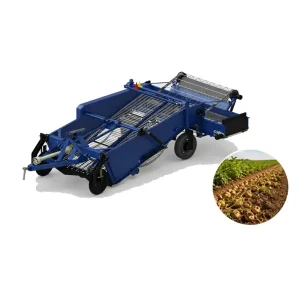
EP-AWB-1600 Colhedora de Batatas Rebocada – 2 e 4 Linhas, até 10 km/h
-
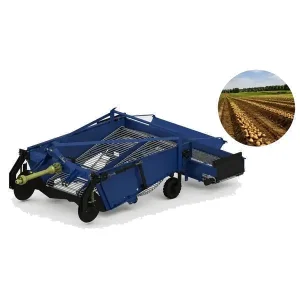
Colhedora de Batatas EP-AWB-1600 – 2 Linhas, Compacta e com Baixo Dano
-
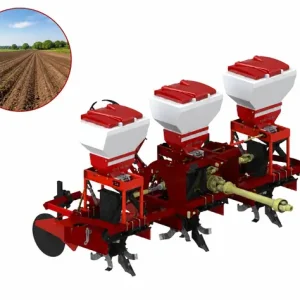
Cultivador rotativo EP-ERA – 2, 3 e 5 linhas | Máquina de batata 3 em 1
-
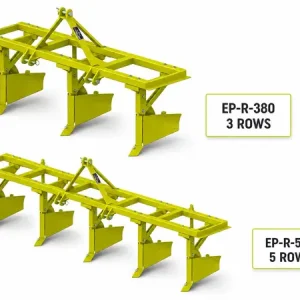
Sulcador de batatas EP-R-380 / EP-R-580 – 3 e 5 linhas, a partir de 75 HP
-
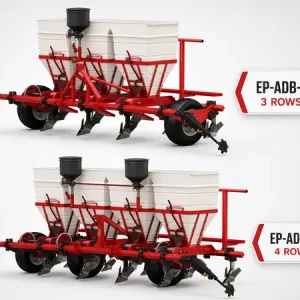
Aplicador de fertilizantes EP-ADB-380 / EP-ADB-480 – 3 e 4 linhas
-
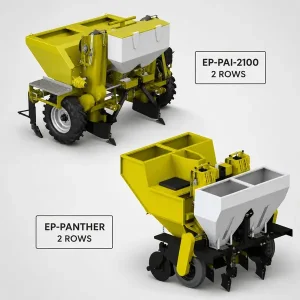
Plantadeira de Batatas EP-PAI / EP-PANTHER – 2–4 Linhas | Sementes + Fertilizante + Pulverização