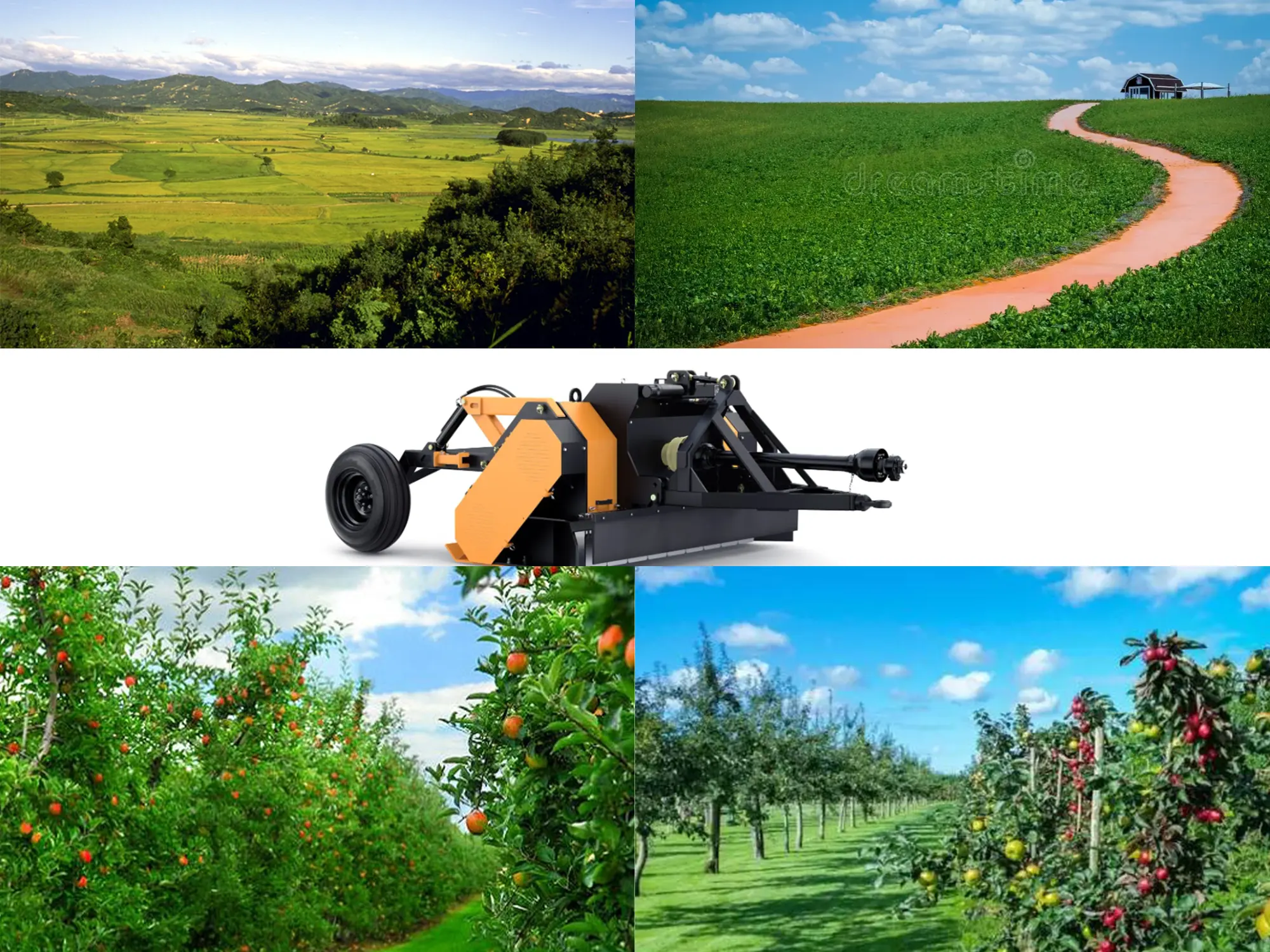
O manejo da água em plantações de batata nas terras altas da Coreia opera entre dois extremos sazonais que ocorrem dentro da mesma estação de crescimento de 90 a 110 dias. Do final de abril até meados de maio, tipicamente ocorre o período mais seco da primavera coreana — o déficit de umidade do solo na profundidade de plantio se desenvolve rapidamente nos solos graníticos de Taebaek, com boa drenagem, e as mudas de batata emergentes enfrentam estresse hídrico que afeta o vigor do estabelecimento. Em seguida, julho e agosto trazem a temporada de tufões coreanos — os mesmos solos com boa drenagem podem receber de 150 a 250 mm de chuva em 48 horas, e os sulcos mal formados ficam encharcados, criando condições anaeróbicas na zona radicular que promovem doenças e danos às raízes.
Gerenciar esses dois extremos com irrigação por gotejamento (para o fornecimento de umidade na primavera) e manejo da drenagem (para o controle do escoamento superficial em tufões) é a tarefa de gestão hídrica da estação de cultivo nas terras altas da Coreia. O que muitas vezes é menos compreendido é como a remoção de pedras e a qualidade do preparo do solo nas etapas 1 e 2 do sistema Watanabe determinam diretamente a eficiência da irrigação e o desempenho da drenagem que moldam esses desafios de gestão hídrica — tornando-os... Triturador de rochas THOR 2.4, Rotavador PSW-3200, e coletor de rochas CT-2100 Contribuições importantes para os resultados da gestão da água, não apenas o desempenho mecânico.
Como a remoção de pedras melhora a gestão da água — A conexão com a estrutura dos poros do solo
A relação entre a qualidade da remoção de pedras e o manejo da água passa pela estrutura dos poros do solo — a rede de espaços entre as partículas do solo que determina a velocidade com que a água se move para dentro e através do perfil do solo. O preparo fino do solo obtido com o PSW-3200 operando em solos sem pedras cria uma rede de poros de alta densidade com distribuição uniforme do tamanho das partículas. Essa estrutura uniforme de poros produz um comportamento de movimentação da água visivelmente diferente daquele observado na estrutura irregular e fragmentada dos poros em solos sem remoção de pedras.
Taxa de infiltração mais alta
O solo fino e livre de pedras absorve a água da irrigação por gotejamento de 2 a 4 vezes mais rápido do que o mesmo solo granítico com pedras residuais que interrompem a continuidade dos poros. Uma taxa de infiltração mais alta significa que a água da irrigação entra na zona radicular antes que a evaporação da superfície remova uma fração significativa — reduzindo o volume total de irrigação necessário por evento de reposição da umidade do solo. Agricultores de batata das terras altas da Coreia do Sul que mediram a duração da irrigação antes e depois da implementação da remoção completa de pedras relatam consistentemente uma redução de 20 a 35 minutos no tempo de irrigação por gotejamento por evento, mantendo os mesmos níveis de umidade do solo.
Drenagem mais rápida após a chuva
A mesma alta taxa de infiltração que acelera a absorção da água de irrigação também acelera a drenagem após chuvas intensas. Quando a rede de poros do solo não está obstruída por pedras, o excesso de água da chuva drena mais rapidamente pelo perfil do solo, reduzindo a duração do encharcamento na zona radicular da batata após tufões. A relação com a requeima (abordada no artigo sobre manejo da doença) é consequência direta dessa drenagem mais rápida: períodos mais curtos de umidade nas folhas significam menos infecções bem-sucedidas.
Capacidade de retenção de água aprimorada
Partículas minerais finas provenientes do granito fragmentado pelo sistema THOR possuem uma área superficial total maior do que as partículas grossas e parcialmente fragmentadas do solo não limpo. Uma área superficial maior retém mais água na película capilar ao redor de cada partícula, aumentando a capacidade do solo de fornecer umidade às raízes entre as irrigações. Essa maior capacidade de retenção de água reduz a frequência de irrigações necessárias para manter a cultura da batata acima dos níveis de estresse hídrico durante os períodos de seca da primavera nas terras altas coreanas.
Instalação de sistema de irrigação por gotejamento para batata das terras altas coreanas
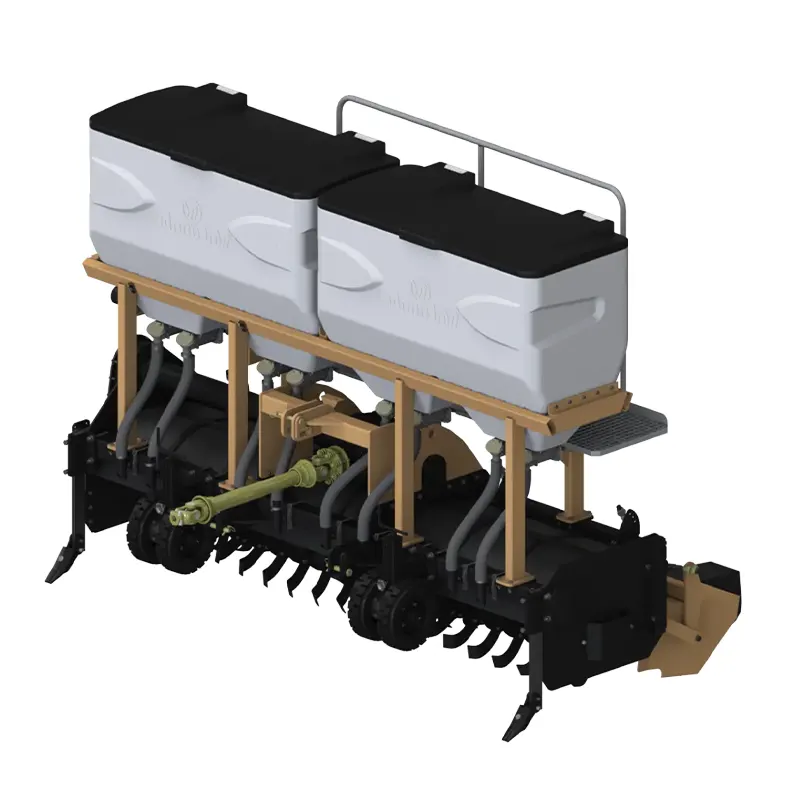
A irrigação por gotejamento para batata cultivada nas terras altas da Coreia, utilizando fitas de gotejamento de parede fina (padrão para culturas anuais de batata), é instalada como parte da operação de plantio da Etapa 4 ou imediatamente após a abertura dos sulcos na Etapa 3. O posicionamento da linha de gotejamento em relação à semente plantada e à zona radicular irrigada é a principal decisão de configuração que determina a eficiência da irrigação ao longo da safra.
Coloque uma linha de gotejamento por fileira de batatas, na superfície do canteiro, a aproximadamente 5–8 cm da posição lateral pretendida para a semente plantada. Colocar a linha diretamente sobre a semente plantada é aceitável, desde que o emissor não esteja em contato direto com a semente. O objetivo é que a linha esteja posicionada lateralmente dentro do raio de desenvolvimento da raiz (a até 15 cm da base do caule na maturidade), e não diretamente sobre a semente.
O espaçamento padrão entre emissores de fita de irrigação por gotejamento para batatas cultivadas em terras altas coreanas é de 20 a 30 cm — calibrado para fornecer uma distribuição uniforme de umidade ao longo da linha, considerando a vazão típica de 3 a 5 km/h e a taxa de infiltração do solo. Em solos finos e limpos de pedras, a maior taxa de infiltração permite um espaçamento ligeiramente maior entre os emissores (30 cm) para produzir uma distribuição de umidade equivalente na zona radicular, em comparação com solos mais grosseiros, onde um espaçamento menor (20 cm) compensa a infiltração lateral mais lenta. Após a primeira irrigação, percorra a linha e verifique se há zonas secas entre os emissores — se as zonas secas excederem 10 cm de largura, reduza o espaçamento entre os emissores na seleção da fita para a próxima safra.
A fita de gotejamento aplicada na superfície (colocada sobre o canteiro) é o padrão para o cultivo anual de batata nas terras altas da Coreia — ela permite fácil inspeção visual para identificar obstruções e danos, e pode ser recuperada na colheita para reutilização. A fita de gotejamento enterrada (instalada de 5 a 8 cm abaixo da superfície do canteiro) reduz a evaporação superficial nas áreas umedecidas pelos emissores e diminui o risco de perfuração por pedras durante a amontoa — mas requer um acessório específico para enterramento da fita na plantadeira e geralmente não é reutilizável ao final da safra. Para o cultivo de batata nas terras altas da Coreia, em campos com solo livre de pedras, a fita aplicada na superfície é o padrão mais prático.
Programação da Irrigação — Três Períodos Críticos de Crescimento
O planejamento da irrigação da batata nas terras altas da Coreia difere da produção de batata nas terras baixas porque a umidade inicial do solo no plantio (normalmente adequada devido ao derretimento da neve na primavera e às chuvas de março a 600 m de altitude) e a temporada de tufões (julho-agosto), que geralmente fornece umidade em excesso, fazem com que a irrigação seja mais crítica em curtos períodos específicos, em vez de continuamente ao longo da estação:
Janela 1: Apoio à emergência (final de abril – início de maio a 600 m)
O período de 10 a 18 dias, desde o plantio até a emergência dos brotos, é o mais sensível à umidade para a consistência da germinação. Se o solo no canteiro, na profundidade da semente (8 a 10 cm), ficar abaixo da capacidade de campo (50%) durante esse período, a germinação é atrasada e a emergência não é uniforme, resultando em um desenvolvimento desigual da copa, o que reduz o potencial de rendimento da safra. Objetivo: manter a capacidade de campo entre 60 e 80% na profundidade da semente, desde o plantio até a emergência (50%). A necessidade típica de irrigação em condições secas no final de abril, a 600 m de altitude, é de 1 a 2 irrigações de 6 a 10 mm cada, durante o período de emergência. Em solos finos e bem preparados, com maior capacidade de retenção de água, isso pode exigir apenas uma irrigação, em vez de duas, em comparação com campos equivalentes de solo mais grosso.
Janela 2: Iniciação dos tubérculos (3–5 semanas após a emergência, junho a 600 m)
A iniciação dos tubérculos — quando as primeiras pontas dos estolões começam a se diferenciar em primórdios de tubérculos — é o segundo período de alta sensibilidade. O estresse hídrico durante a iniciação dos tubérculos reduz o número de tubérculos iniciados por planta (contagem de estolões) e produz uma população total menor de tubérculos na colheita. No entanto, o excesso de água durante esse mesmo período (proveniente de chuvas no início do verão que excedem a capacidade de drenagem) produz o problema oposto: o encharcamento durante a iniciação dos tubérculos interrompe o processo de desenvolvimento dos estolões, sensível à anaerobiose. O objetivo da irrigação durante esse período é manter a umidade do solo constante, sem saturação — tipicamente entre 60 e 75% da capacidade de campo na zona de tubérculos. Irrigação necessária: tipicamente de 2 a 4 aplicações de 8 a 12 mm cada durante junho, se o mês de junho anterior ao tufão for seco a 600 m de altitude.
Janela 3: Cultivo de tubérculos (julho – agosto, temporada principal)
Julho e agosto correspondem à temporada de tufões na Coreia — tipicamente o período com o maior volume total de chuvas da estação de crescimento em altitudes elevadas. A irrigação geralmente NÃO é necessária durante esse período nas fazendas de altitude coreanas; o desafio de manejo é a drenagem, e não a irrigação. No entanto, entre os tufões, o clima de altitude da Coreia em julho e agosto pode produzir intervalos de seca de 1 a 2 semanas que causam estresse foliar visível durante o pico de crescimento dos tubérculos. A irrigação suplementar durante esses intervalos de seca (6 a 10 mm de água em intervalos semanais, se a umidade do solo cair abaixo de 60°C da capacidade de campo) mantém a taxa de crescimento e evita a perda de rendimento devido à interrupção do acúmulo de amido que os períodos de seca durante o crescimento dos tubérculos produzem.
Gestão da drenagem pós-tufão — Projeto do campo e geometria da crista
Os sulcos entre os canteiros de batata servem como principais canais de drenagem durante as chuvas torrenciais de tufões nas fazendas das terras altas da Coreia. Sua capacidade de drenagem — a velocidade com que o excesso de água superficial se move ao longo do sulco até a saída no campo — é determinada por três fatores:
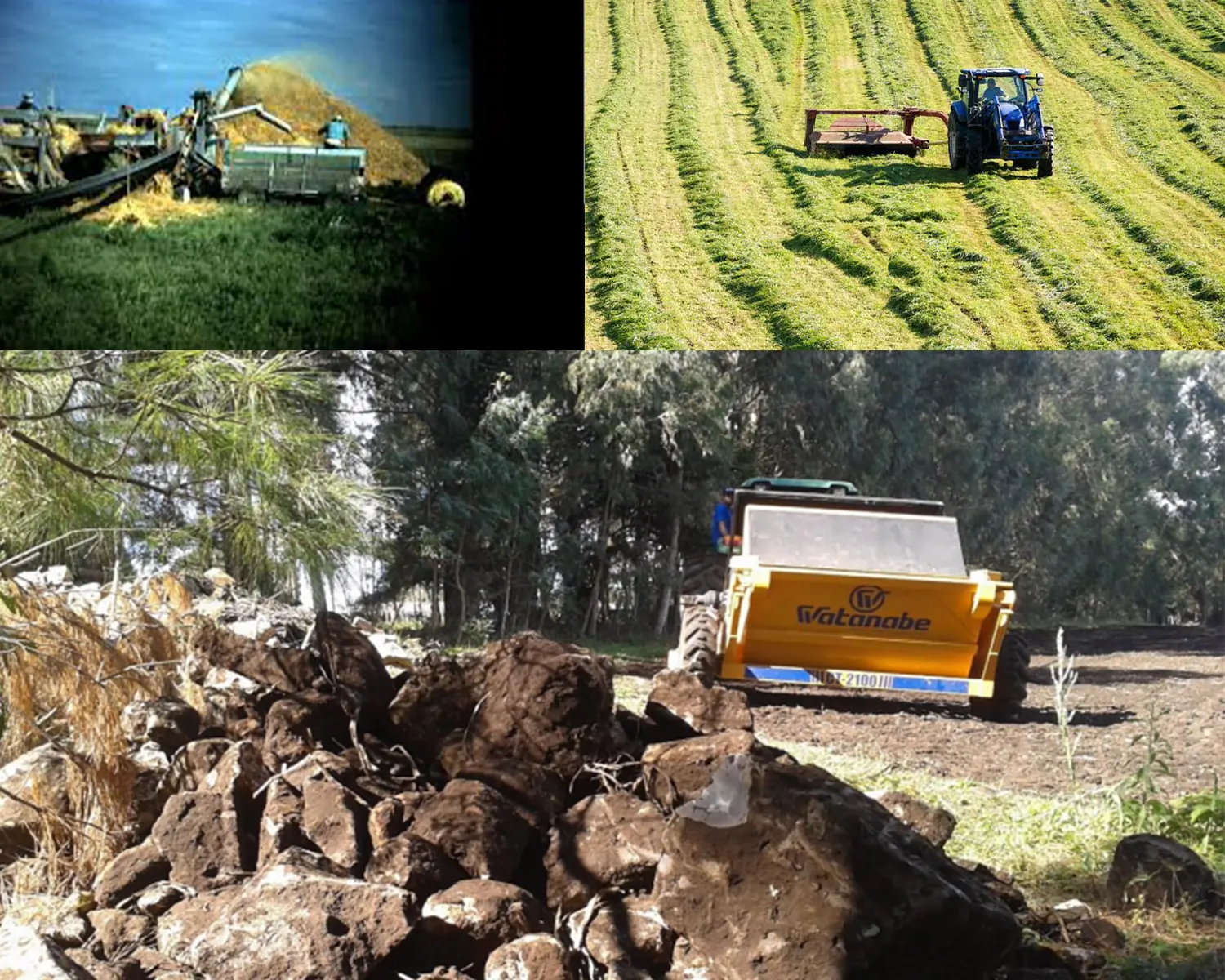
Pedras residuais na zona entre sulcos obstruem o fluxo de água ao longo do sulco, criando pequenas barragens locais que fazem com que a água se acumule acima de cada bloqueio de pedra e transborde o cume. Sulcos limpos de pedras (o CT-2100 completando a coleta de material fragmentado da passagem THOR) permitem que a água flua livremente ao longo do sulco até a saída no campo. O fluxo desobstruído no sulco reduz drasticamente o tempo em que a zona radicular permanece encharcada após chuvas intensas, em comparação com sulcos obstruídos por pedras.
A profundidade dos sulcos (8–12 cm abaixo da base do canteiro) deve ser mantida constante para garantir uma vazão adequada. Sulcos rasos (abaixo de 6 cm), resultantes de uma configuração inadequada da sulcadora, enchem-se rapidamente durante chuvas fortes e transbordam para os canteiros. A inclinação dos sulcos deve acompanhar o declive natural do terreno — sulcos transversais criam um sistema de drenagem sem saída, com acúmulo de água em vez de escoar para a borda do campo. Nos terraços das terras altas coreanas, onde a inclinação acompanha o comprimento do terraço, as fileiras de sulcos seguem essa mesma direção — a orientação correta para a drenagem.
A saída de drenagem do campo — a borda do terraço ou o dreno de cabeceira que recebe a drenagem dos sulcos — deve ter capacidade adequada para receber o fluxo combinado de todos os sulcos durante o pico das chuvas de um tufão. Uma única saída de drenagem bloqueada por acúmulo de pedras e detritos vegetais pode causar o represamento e o alagamento de todo o campo, mesmo quando a drenagem dos sulcos dentro do campo é bem manejada. A limpeza das saídas de drenagem do campo antes da temporada de tufões (final de junho, antes do período de risco de tufões em julho) é uma tarefa de manutenção de 30 minutos que evita horas de danos por alagamento à lavoura.
Gestão da Seca na Primavera — Conservação de Água no Período Crítico de Emergência
As fazendas nas terras altas da Coreia, a 600 m de altitude, vivenciam um período seco característico no final de abril — o período após o derretimento completo da neve e antes do início da estação das monções, quando a evaporação diária dos solos graníticos voltados para o sul pode exceder a recarga diária de umidade proveniente da precipitação. Essa janela seca do final de abril coincide com o período de emergência da batata (10 a 18 dias após o plantio no final de abril a 600 m), criando o período mais sensível ao estresse hídrico da safra. Três abordagens de conservação de água para essa janela:
Abertura e plantio do solo no momento certo. O sulcamento expõe o subsolo úmido à evaporação superficial — cada dia entre o sulcamento e o plantio representa uma perda de umidade do canteiro que, de outra forma, estaria disponível na profundidade da semente. Minimizar o intervalo entre o sulcamento e o plantio (máximo de 2 a 5 dias) conserva a umidade que o preparo do solo com o PSW-3200 trouxe até a capacidade de campo. Fazendas que sulcam uma semana antes do plantio e esperam geralmente encontram a superfície do canteiro mais seca no momento do plantio do que aquelas que sulcam e plantam em até 3 dias.
Solo bem preparado como cobertura morta para conservar a umidade. A textura fina na superfície do canteiro (2–3 cm de partículas minerais finas) atua como uma barreira capilar, desconectando a evaporação da superfície do subsolo úmido abaixo. Superfícies com textura grosseira (pedras residuais interrompendo a camada de partículas finas) permitem que a umidade capilar suba das profundezas para a superfície, acelerando a evaporação. A passagem dupla do PSW-3200 em solo despedreiro produz a textura fina na superfície que funciona como essa camada de cobertura morta natural — outra função de manejo da água decorrente do investimento em despedramento e preparo do solo.
Monitoramento da irrigação pré-emergência. Instale sensores de umidade do solo (tensiômetros simples a 10 cm de profundidade no canteiro) no dia do plantio e faça leituras diárias a partir do 10º dia após o plantio. Se a leitura do tensiômetro exceder o limite de estresse hídrico para o tipo de solo antes da confirmação da emergência, aplique uma pequena irrigação pré-emergência (5–8 mm em baixa vazão) para restaurar a umidade na zona de emergência sem inundar o canteiro ou causar o encharcamento do solo na superfície.
Perguntas frequentes
Quantos litros por hora cada gotejador deve fornecer para batatas cultivadas nas terras altas da Coreia?
A vazão padrão dos emissores de fita de gotejamento para batata em terras altas coreanas é de 0,6 a 1,0 litro por hora por emissor, na pressão operacional padrão (0,8 a 1,2 bar). O volume total de irrigação por linha é determinado pela vazão do emissor, espaçamento entre os emissores, duração da linha e espaçamento lateral (uma linha por fileira com espaçamento entre fileiras de 70 a 80 cm). Como referência prática: 1 mm de irrigação (1 litro por m²) aplicado a uma área de 1.000 m² por meio de fita de gotejamento com espaçamento de 30 cm entre os emissores, a uma vazão de 0,8 L/h, requer aproximadamente 45 minutos de funcionamento. Confirme a vazão do emissor nas especificações do fabricante da fita para a pressão operacional específica do seu sistema de irrigação — a altitude das terras altas coreanas implica em uma pressão do sistema ligeiramente menor do que em fazendas de terras baixas, com a mesma vazão da bomba, caso a altura manométrica não seja compensada. Fitas de gotejamento com compensação de pressão (vazão constante em uma faixa de pressões operacionais) são preferíveis para sistemas de gotejamento em terras altas coreanas, onde as variações de altitude dentro de um campo podem criar variações de pressão ao longo da linha lateral.
A operação de aterro com EP-ERA desloca a fita de gotejamento e requer reposicionamento?
Sim — a amontoa com EP-ERA frequentemente desloca a fita de gotejamento instalada na superfície de sua posição original, pois a ação de amontoa lança o solo lateralmente, movendo a fita ligeiramente de sua posição original. Esse deslocamento é tipicamente de 3 a 8 cm da posição original — o suficiente para afastar o emissor da zona radicular alvo pretendida, caso a fita tenha sido instalada com muita precisão. O procedimento padrão: após a conclusão da amontoa com EP-ERA, percorra o campo e reposicione quaisquer seções da fita que tenham sido movidas mais de 10 cm da linha central do cume. O reposicionamento leva de 15 a 20 minutos por hectare e é a última operação de manejo da fita antes que a cobertura vegetal cubra o cume e impeça o acesso. Alguns agricultores de terras altas coreanas fixam pequenos grampos de solo na fita de gotejamento no momento da instalação para evitar o deslocamento — uma adição simples que reduz a necessidade de reposicionamento após a amontoa.
Como a remoção de pedras reduz a taxa de perfuração da fita de gotejamento por pedras?
A perfuração da fita de gotejamento por pedras superficiais e subsuperficiais é um dos custos menos discutidos, porém praticamente significativos, da operação de irrigação em campos de altitude não desmatados na Coreia. Pedras pontiagudas e angulares na superfície ou logo abaixo dela (o limite de coleta do EP-EW-4000: pedras com menos de 5 cm que não são coletadas) podem perfurar ou desgastar a fita de gotejamento de parede fina durante a operação de amontoamento, quando os braços do EP-ERA lançam solo e material superficial sobre a fita. Em campos desmatados, o material de amontoamento lançado sobre a fita contém apenas partículas finas de solo — sem fragmentos pontiagudos e angulares. Em campos não desmatados, o material de amontoamento inclui fragmentos de pedra angulares que atuam como abrasivos na superfície da fita e causam pontos de perfuração sob a pressão do amontoamento. O custo médio de substituição da fita de gotejamento em operações de cultivo de batata em terras altas coreanas desmatadas é tipicamente 40–60 TP5T menor por safra em comparação com operações equivalentes em campos não desmatados usando a mesma especificação de fita.
Devo irrigar antes ou depois das operações de remoção de pedras na primavera?
Nunca irrigue imediatamente antes das operações de remoção de pedras — a umidade ideal do solo para a operação do THOR 2.4 e do PSW-3200 é de aproximadamente 50–60% de capacidade de campo (firme, mas não encharcado). Solo encharcado, na capacidade de campo ou acima dela, reduz a capacidade do PSW-3200 de produzir um preparo fino (o rotavador compacta o solo em vez de cortá-lo) e faz com que o THOR 2.4 trabalhe com menos eficiência (a coesão do solo aumenta a resistência e reduz a eficácia do impacto que fragmenta as pedras). Se o campo estiver excessivamente seco em março (incomum, mas possível após um fevereiro seco), uma irrigação leve de 3 a 4 dias antes das operações de remoção de pedras, para elevar a umidade do solo para 50–60% de capacidade de campo, é aceitável — o intervalo de 3 a 4 dias permite que o excesso de umidade superficial drene e se equilibre antes da operação do THOR e do PSW-3200. Na primavera das terras altas coreanas, a precipitação em março normalmente mantém a umidade adequada para a operação do THOR e do PSW-3200 sem irrigação suplementar na maioria dos anos.
Os programas do governo coreano podem apoiar a instalação de irrigação por gotejamento em plantações de batata em terras altas?
Sim — a instalação de sistemas de irrigação por gotejamento em fazendas de altitude na Coreia se qualifica para o programa de melhoria da infraestrutura agrícola (nongop giban siseol gaenyangsa-eop) administrado pela Korea Rural Community Corporation (KRCC), que financia infraestrutura para eficiência no uso da água, incluindo a instalação de sistemas de irrigação por gotejamento em áreas de cultivo de hortaliças e batatas. O programa cobre materiais do sistema (fita de gotejamento, tubulações principais, filtros, reguladores de pressão) e mão de obra para instalação, com uma contribuição de 50 a 701 TP5T para projetos aprovados. Projetos individuais de fazendas geralmente exigem demonstração de economia mínima anual de água ou área mínima de irrigação (confirme com o escritório regional da KRCC os limites atuais). Solicitações cooperativas que agregam projetos de instalação de irrigação de várias fazendas em uma única solicitação podem acessar um financiamento total maior. Entre em contato com o escritório de extensão da RDA do seu condado para obter informações sobre o ciclo de inscrição atual para apoio à irrigação por gotejamento de batata em terras altas em seu condado.
Sistema de Gestão de Águas em Terras Altas — Da Limpeza do Solo à Eficiência na Irrigação
Altitude da fazenda + problemas atuais de drenagem + sistema de irrigação (gotejamento ou aspersão) + histórico de remoção de pedras → recomendação integrada que relaciona a qualidade da remoção de pedras com melhorias na eficiência da irrigação e gestão do escoamento superficial em tufões. Coreia do Sul. Watanabe, Ansan-si, Gyeonggi-do.
Editor: Cxm