
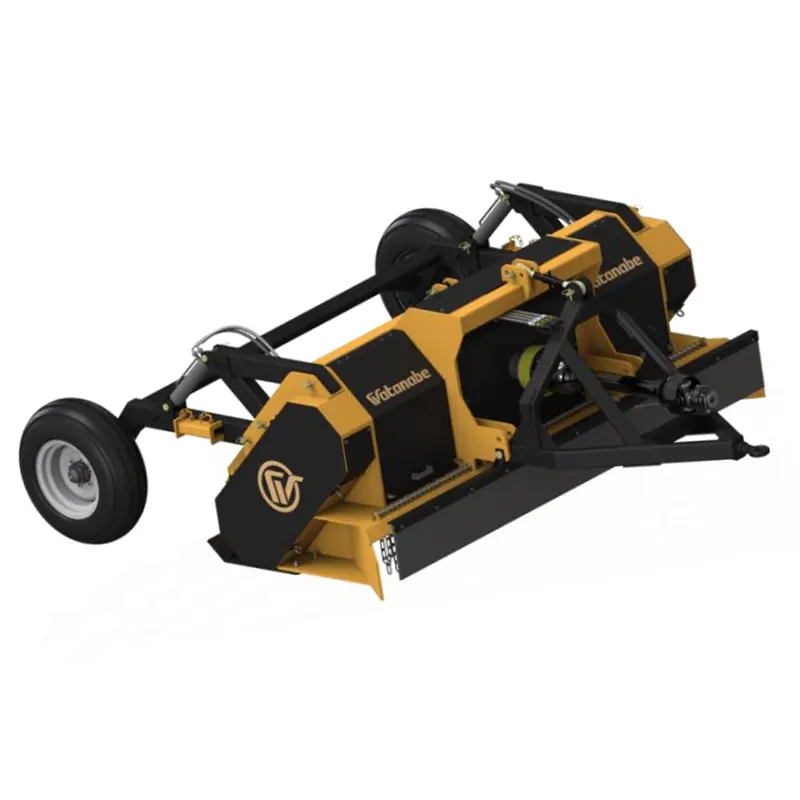
As terras agrícolas da Ilha de Jeju apresentam um desafio de remoção de pedras sem equivalente no continente coreano. A geologia vulcânica da ilha — campos de lava basáltica na superfície, seixos de basalto vesicular por todo o perfil do solo agrícola e afloramentos rochosos de basalto denso em profundidade rasa em muitas seções de campo — cria condições que exigem ajustes no protocolo operacional padrão do THOR 2.4, desenvolvido para o terreno das terras altas graníticas de Gangwon-do e Gyeongsang do Norte, no continente.
Este guia aborda as diferenças técnicas entre o basalto de Jeju e o granito do continente, da perspectiva operacional do britador de pedra; as implicações específicas do desgaste dos dentes que afetam a economia da manutenção em Jeju; as características geológicas exclusivas de Jeju (sistemas de tubos de lava, camadas de clínquer, variabilidade das saliências rochosas) que produzem surpresas operacionais não encontradas em locais de terras altas graníticas; os requisitos de profundidade de corte específicos para cada cultura dos principais produtos agrícolas de Jeju (alho, cenoura, cebolinha e frutas subtropicais); e as diferenças no calendário de manejo sazonal resultantes do clima mais ameno de Jeju, sem um ciclo significativo de congelamento e descongelamento do solo.
Basalto de Jeju vs. Granito Continental — O que diferencia a rocha vulcânica para o THOR 2.4
Do ponto de vista geológico, a população de rochas agrícolas de Jeju é composta por basalto (e sua variante vesicular, a escória), em vez de granito e rochas metamórficas que dominam a agricultura nas terras altas da Coreia continental. Essas diferenças são significativas para o mecanismo de corte e o desgaste dos dentes da broca THOR 2.4:
| Propriedade | Basalto/Escória de Jeju | Granito de Gangwon |
|---|---|---|
| Dureza (Mohs) | 5,5–7,0 (matriz basáltica); vesículas de escória mais macias | 6,0–7,5 (quartzo dominante) |
| Padrão de fratura | Conchoidal irregular + bordas angulares afiadas das paredes das vesículas — altamente abrasivas nos flancos dos dentes. | Fratura intergranular — produz superfícies de contato mais lisas nos flancos dos dentes. |
| Textura da superfície | Áspero, vesicular — bolhas de gás na lava produzem cavidades que expõem bordas afiadas semelhantes a vidro. | Cristalino, relativamente liso entre as fraturas. |
| Faixa de tamanho | Altamente variável — desde cascalho fino de escória até enormes blocos de lava que ultrapassam 1 tonelada em seções de campo intocadas. | Distribuição de tamanho mais uniforme em zonas de congelamento e descongelamento do solo. |
| Taxa de desgaste dos dentes THOR 2.4 | 20–30% mais alto por hora de operação do que granito comparável | Taxa de desgaste de referência basal |
| Intervalo recomendado para inspeção dentária | A cada 6 horas de operação (em vez de 8 no granito) | A cada 8 horas de funcionamento padrão |
A maior taxa de desgaste dos dentes do equipamento 20–30% no basalto de Jeju tem consequências econômicas diretas para o custo operacional do THOR 2.4 em Jeju. Conjuntos de dentes que duram de 2 a 3 safras em uma fazenda nas terras altas de Gangwon-do podem precisar ser totalmente substituídos anualmente em uma operação em Jeju com densidade de pedra equivalente. Os operadores de Jeju devem considerar esse custo mais elevado de consumíveis em seu orçamento operacional anual do THOR 2.4 — e devem encomendar os conjuntos de dentes em novembro (e não em janeiro) para garantir a disponibilidade de estoque para o calendário agrícola de Jeju, que começa mais cedo do que nas operações nas terras altas do continente.
Desafios geológicos únicos de Jeju — características não encontradas em terras agrícolas da Coreia continental
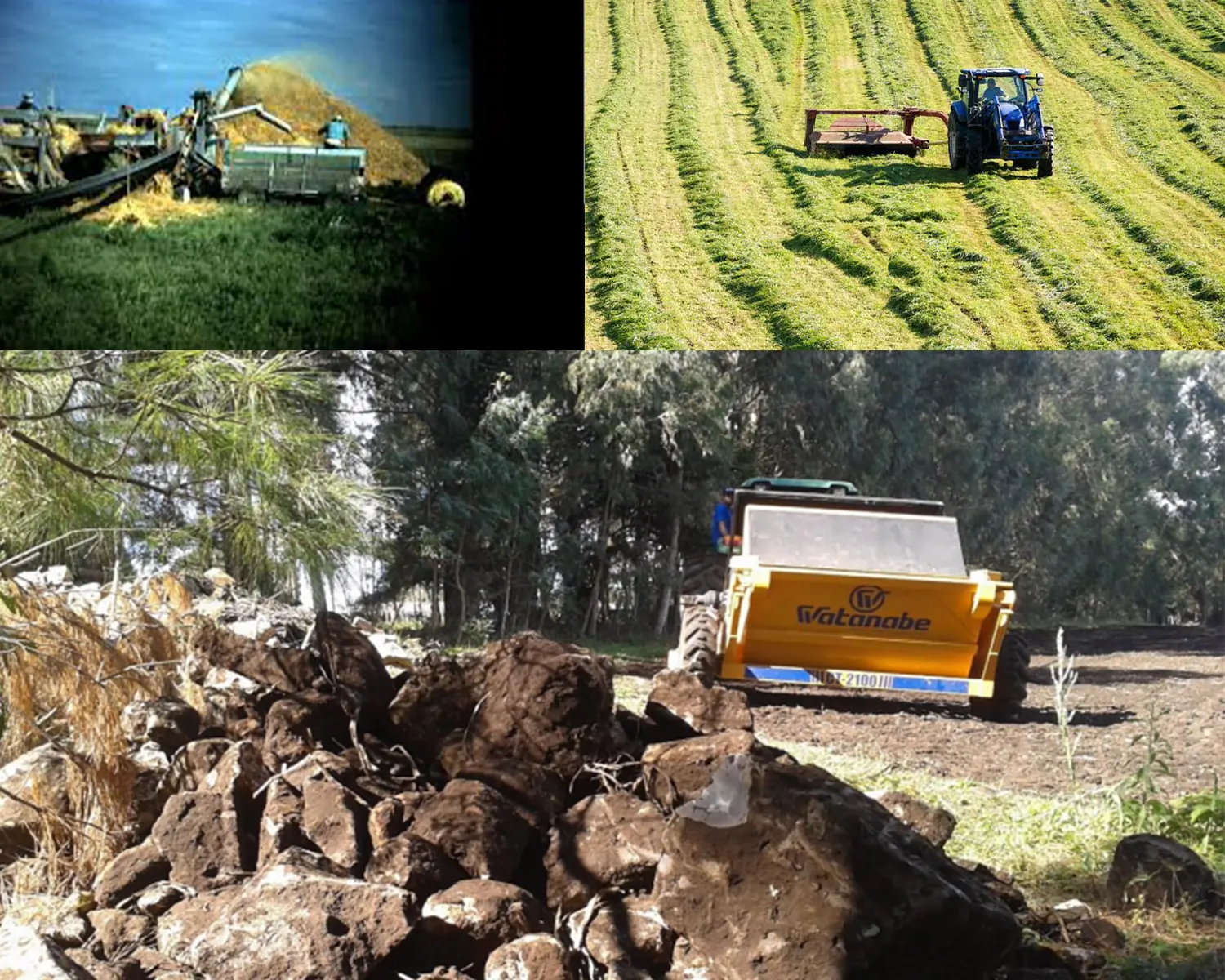
Três características geológicas das terras agrícolas da Ilha de Jeju apresentam desafios operacionais para o THOR 2.4 que não existem no terreno montanhoso granítico do continente. Os operadores que fazem a transição de operações em terras altas do continente para o trabalho em Jeju devem ser informados sobre todas as três características antes da primeira passagem pelo campo:
Desafio 1: Camadas de clínquer (faixas de escória)
Durante a história eruptiva vulcânica de Jeju, sucessivos fluxos de lava produziram faixas alternadas de basalto denso e escória (material vulcânico vesicular, semelhante a clínquer). Os campos agrícolas em Jeju frequentemente contêm faixas de escória a uma profundidade de 15 a 40 cm — faixas de material vesicular altamente poroso, angular e marrom-avermelhado, que apresentam uma aparência diferente tanto do basalto denso quanto do solo acima e abaixo. Quando o rotor THOR 2.4 encontra uma camada de clínquer de escória, o material vesicular produz uma abrasão muito alta nos flancos dos dentes devido às paredes vítreas e afiadas das bolhas — mesmo que a escória tenha uma dureza geral menor do que o basalto denso. Os operadores devem reduzir a velocidade de avanço para 1,0 km/h quando o exame visual do perfil do solo indicar a presença de uma camada de clínquer dentro da faixa de profundidade de trabalho.
Desafio 2: Proximidade do tubo de lava e risco de colapso do vazio
A Ilha de Jeju possui uma rede documentada de sistemas de tubos de lava — túneis ocos formados quando a superfície externa de um fluxo de lava solidificou enquanto o interior continuava a fluir. Embora os principais sistemas de tubos de lava sejam sítios culturais protegidos, seções menores de tubos não mapeadas ocorrem em terras agrícolas de Jeju. Acima de uma cavidade subterrânea, a camada de solo e rocha pode ser mais fina do que o terreno circundante — e o THOR 2.4, em sua profundidade operacional máxima (30 cm) e com contato total do rotor no teto da cavidade, pode causar subsidência localizada da superfície se a abóbada for fina. Antes de operar o THOR 2.4 em terras agrícolas recém-adquiridas ou anteriormente não mecanizadas em Jeju, realize uma inspeção no local, durante a qual qualquer terreno que soe oco sob os pés deve ser marcado para investigação antes da implantação do THOR. Campos adjacentes a entradas conhecidas de tubos de lava exigem cautela especial — consulte o escritório de agricultura da Província Autônoma Especial de Jeju para obter informações sobre o mapeamento de cavidades subterrâneas disponíveis para a parcela de terra específica.
Desafio 3: Substrato rochoso raso e variável — A parada repentina
Em Jeju, a profundidade do solo agrícola acima do leito rochoso de basalto varia drasticamente dentro de um mesmo campo — de 80 cm de profundidade em uma extremidade de uma fileira de 100 m até o leito rochoso denso a 15 cm de profundidade na outra extremidade. Essa variação reflete a topografia original da superfície do fluxo de lava, que foi posteriormente coberta por uma fina camada de solo. O THOR 2.4, operando a 25 cm de profundidade na seção de solo profundo, pode entrar em contato repentino com o leito rochoso sólido quando a profundidade até a rocha diminui rapidamente ao longo do campo. O contato repentino do rotor com o leito rochoso maciço (não uma pedra móvel, mas uma massa rochosa contínua) produz um impacto severo que pode danificar os dentes e, em casos extremos, afetar os rolamentos do rotor. O protocolo pré-campo para todas as novas seções de campo em Jeju inclui: sondagem com uma sonda manual ou sonda de solo em intervalos de 10 m ao longo do campo para confirmar a profundidade mínima do solo antes de definir a profundidade de trabalho do THOR 2.4 — defina a profundidade de trabalho para 5 cm a menos que a menor profundidade de solo confirmada em todo o campo.
Culturas de Jeju vs. Culturas das Terras Altas do Continente — Diferentes Profundidades e Padrões de Desmatamento
A produção agrícola da Ilha de Jeju é dominada por culturas com diferentes requisitos de remoção de pedras em comparação com a batata e o rabanete cultivados nas terras altas da Coreia continental. Compreender os requisitos específicos de remoção de pedras para cada cultura em Jeju é essencial para a configuração correta da profundidade do THOR 2.4 e para as decisões de implantação do EP-EW-4000.
Alho de Jeju (principal cultura)
Plantado entre setembro e outubro a uma profundidade de 5 a 8 cm, colhido entre maio e junho. O desenvolvimento do bulbo ocorre nos 10 a 15 cm superiores do solo. Requisito de remoção de pedras: todas as pedras com mais de 3 cm devem ser removidas dos 20 cm superiores do solo. Pedras menores do que as exigidas para batatas de terras altas — mas a mesma abordagem de tolerância zero do THOR + CT-2100 se aplica, pois os bulbos de alho são colhidos manualmente e qualquer contato com pedras durante a colheita danifica a casca do bulbo e afeta a qualidade superior do alho seco. Profundidade do THOR 2.4: 20 a 22 cm são geralmente suficientes para campos de alho — confirme a profundidade do solo com uma sonda de campo antes de instalar o sistema.
Cenoura de Jeju (segunda principal cultura)
A cenoura é a raiz mais sensível a pedras em Jeju. Suas raízes pivotantes se desenvolvem a uma profundidade de 25 a 35 cm — qualquer pedra nessa zona causa bifurcação (raiz com múltiplas pontas) ou deformação, o que impede a cenoura de ser classificada como de qualidade superior por sua raiz reta. A exigência para a remoção de pedras é de 30 cm de profundidade, com um padrão residual tão rigoroso quanto o do rabanete de altitude (diâmetro máximo da pedra de 2 cm). Recomenda-se o protocolo THOR 2.4 de duas passagens para o plantio de cenoura em Jeju: uma primeira passagem no outono e uma segunda na primavera, a 30 cm de profundidade, antes do plantio em agosto-setembro. A lógica é a mesma do preparo do solo para o ginseng — a raiz pivotante se desenvolve em uma zona fixa durante o período de crescimento, sem possibilidade de correção após o plantio.
Pomares de tangerinas/frutas subtropicais de Jeju
Os pomares de tangerina de Jeju, em solo vulcânico, seguem a mesma lógica de limpeza pré-plantio dos pomares da Coreia do Sul: uma limpeza única com o THOR a uma profundidade de 25 a 30 cm, seguida de manutenção anual das galerias com o EP-EW-4000. O desafio da baixa profundidade do solo (ver Desafio 3 acima) é particularmente relevante para o estabelecimento do pomar: as covas de plantio em campos de Jeju com solo raso exigem sondagem profunda do solo antes da implantação do THOR para evitar o contato do rotor com o leito rochoso nos locais das covas. A manutenção anual das galerias com o EP-EW-4000 é mais simples em Jeju do que em pomares de granito na Coreia do Sul: a ausência do ciclo de congelamento e descongelamento do solo significa uma menor taxa de reaparecimento de pedras.
Sem congelamento do solo — Como o clima ameno de Jeju altera o calendário de gestão de pedras
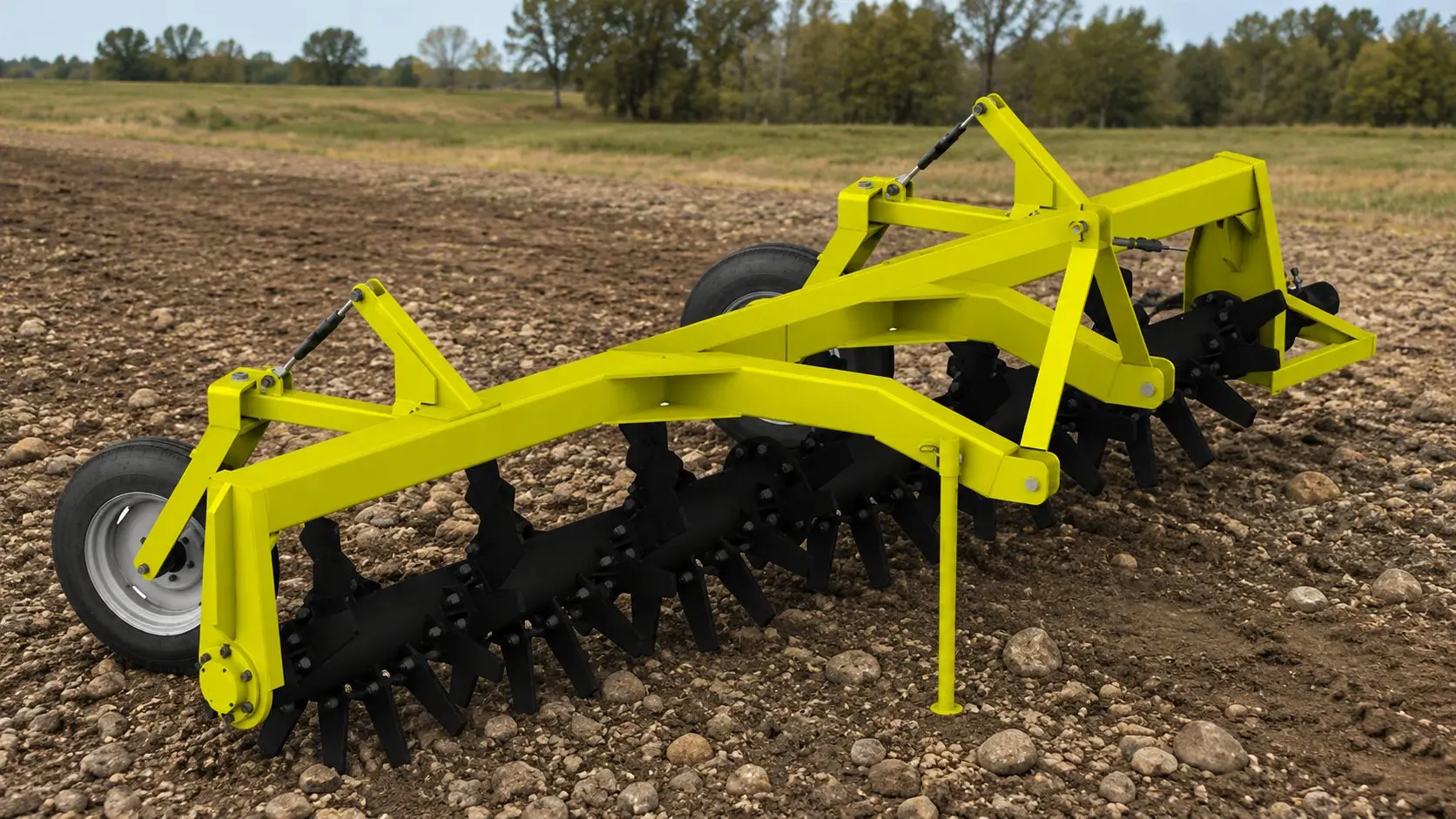
A diferença operacional mais significativa entre o manejo de pedras em Jeju e o manejo de pedras nas terras altas da Coreia continental é a ausência do ciclo de congelamento e descongelamento. As fazendas nas terras altas de Gangwon-do, a uma altitude de 500 a 800 metros, experimentam de 20 a 60 ciclos de congelamento e descongelamento por inverno — cada ciclo empurra as pedras embutidas para cima no perfil do solo, trazendo novas pedras à superfície anualmente e exigindo a limpeza anual EP-EW-4000 em março, que é um item fixo no calendário de todas as fazendas nas terras altas da Coreia continental.
As temperaturas de inverno em Jeju raramente caem abaixo de 0°C por períodos prolongados, e o congelamento do solo em profundidade agrícola (15–30 cm) é excepcional, não rotineiro. O mecanismo de congelamento e descongelamento do solo que leva as safras anuais de pedras para os campos das terras altas do continente não se aplica em Jeju. As consequências práticas:
Frequência anual de limpeza:
Nas fazendas de altitude do continente, a limpeza anual com o equipamento EP-EW-4000 é obrigatória, pois o congelamento e descongelamento do solo trazem novas pedras a cada inverno. Em Jeju, a limpeza superficial anual geralmente não é necessária em campos já limpos — uma inspeção pós-limpeza a cada 2 a 3 anos (caminhando pelo campo e confirmando a ausência de pedras) é suficiente para a manutenção de pomares de alho e tangerina. A exceção são os campos onde a movimentação da água subterrânea (proveniente da chuva de tufões que percola pelo solo vulcânico) transporta gradualmente pequenos fragmentos de basalto para cima através dos horizontes do solo — esses campos podem necessitar de limpeza com o equipamento EP-EW-4000 a cada 1 a 2 anos, mesmo na ausência de congelamento e descongelamento do solo.
A autorização inicial ainda representa o maior investimento:
Apesar da menor frequência de limpeza contínua, a limpeza inicial com o THOR 2.4 em terras agrícolas não desmatadas de Jeju costuma ser mais intensiva do que a limpeza de novas terras nas terras altas do continente — isso porque o basalto de Jeju nunca sofreu a fragmentação por congelamento e descongelamento que quebra grandes pedras incrustadas em pedaços menores ao longo de anos de ciclos de congelamento e descongelamento. Seções de campos vulcânicos de Jeju que não foram previamente desmatadas podem conter enormes blocos de basalto intactos de 200 a 500 kg que exigem múltiplas passagens do THOR em baixa velocidade para serem fragmentados. O investimento único em uma limpeza completa com o THOR em Jeju é maior por hectare do que o equivalente no continente, mas o custo de manutenção subsequente é menor.
Mudança no calendário agrícola:
O calendário agrícola de Jeju começa mais cedo do que nas terras altas do continente — o alho é plantado em setembro-outubro (enquanto a batata nas terras altas do continente ainda está na terra), e a colheita do alho da primavera ocorre em maio-junho. A implantação do THOR 2.4 para o desmatamento de novas áreas em Jeju geralmente é programada para julho-agosto (entre a colheita da primavera e o plantio do outono), em vez do período de março-abril que define o desmatamento nas terras altas do continente. As peças de reposição do CT-2100 e do EP-EW-4000 devem ser encomendadas até junho para garantir a disponibilidade para o período de desmatamento de verão em Jeju.
Muros de Pedra de Dol Damul — O Patrimônio Tradicional de Gestão de Pedras de Jeju
Sistema tradicional de muros de pedra da Ilha de Jeju — dol damul Os muros de pedra seca de basalto que dividem campos, demarcam limites de propriedades e servem de proteção contra o vento para as plantações são a solução histórica da ilha para o mesmo problema de gestão de pedra que o projeto THOR 2.4 aborda atualmente. Durante séculos, os agricultores de Jeju coletaram manualmente o basalto da superfície e o utilizaram para construir os muros de pedra seca que caracterizam a paisagem agrícola de Jeju. Esses muros não são meramente funcionais — eles são registrados como parte do patrimônio cultural imaterial da Coreia e estão legalmente protegidos contra demolição sem autorização.
O dol damul O contexto cria uma restrição operacional específica para as operações do Jeju THOR 2.4: a brita produzida pelo THOR deve ser coletada e depositada fora das zonas protegidas pelas muralhas — ela não pode ser empurrada contra as muralhas nem usada para repará-las. dol damul seções sem aprovação regulatória. Coleta e remoção de CT-2100 de seções adjacentes liberadas pela THOR. dol damul Portanto, a utilização de muros não é apenas logisticamente viável, mas também uma exigência cultural e legal. Korea Watanabe conhece bem essa restrição específica de Jeju e oferece orientações sobre o planejamento de campo para operações com THOR + CT-2100 adjacentes a muros de pedra protegidos.
Calendário de Manutenção do Jeju THOR 2.4 — Ajustando às Condições de Operação em Basalto
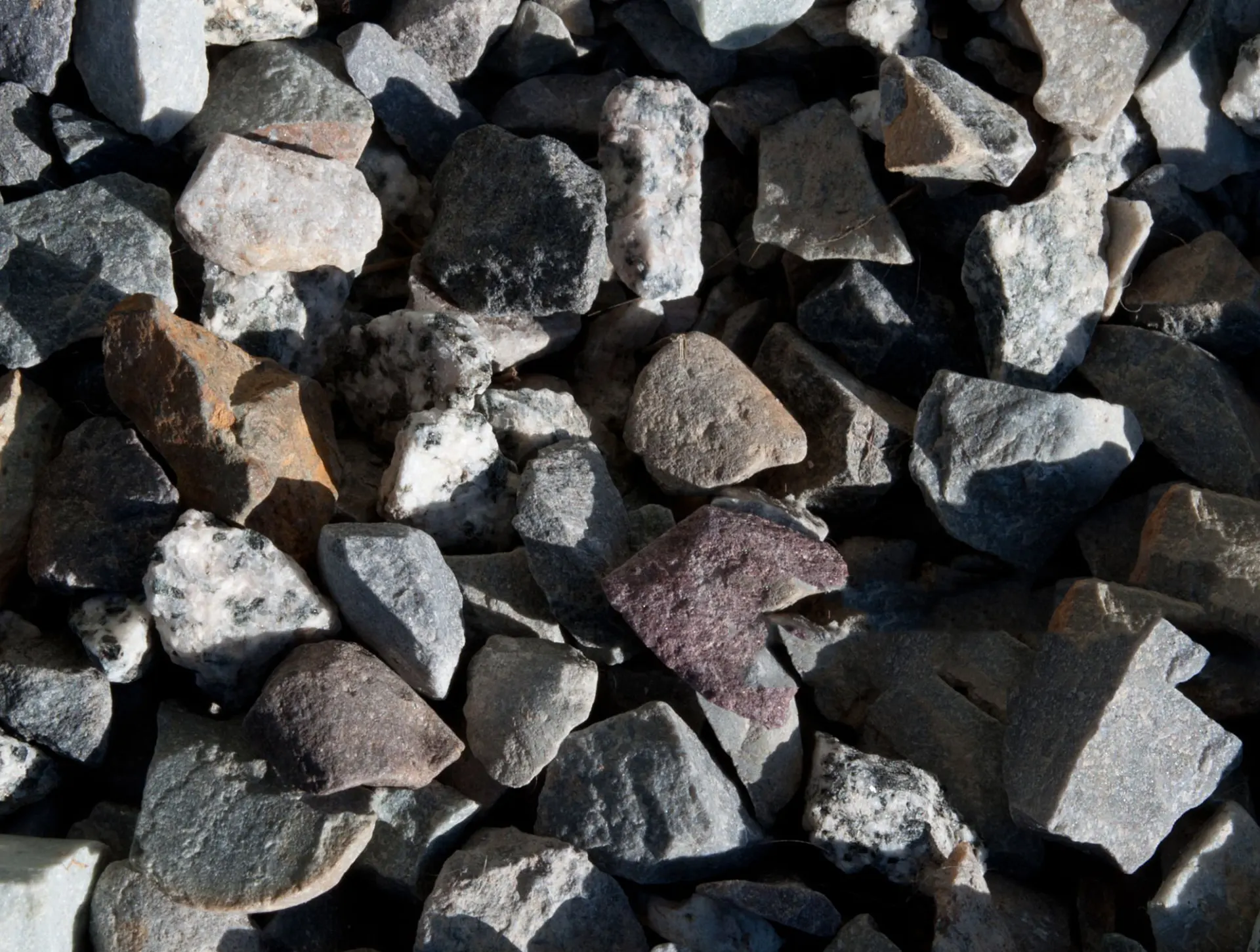
O cronograma padrão de manutenção do THOR 2.4 no continente exige a inspeção dos dentes a cada 8 horas de operação. No basalto de Jeju, esse intervalo deve ser reduzido para 6 horas — e em campos com conteúdo confirmado de camada de escória/clínquer, para 4 a 5 horas. A maior frequência de inspeção é o ajuste operacional mais importante para as operadoras de Jeju.
| Tipo de sítio Jeju | Intervalo de inspeção dentária | Indicador-chave a ser monitorado |
|---|---|---|
| Basalto denso apenas (sem escória) | A cada 6 horas | Perfil da ponta no limite 70% — substitua antes de desgaste abaixo de 60%. |
| Camadas mistas de basalto e escória | A cada 4–5 horas | Abrasão lateral e na ponta — inspecione tanto a ponta quanto o perfil lateral. |
| Zonas de risco em rocha matriz rasa | Após cada evento de impacto significativo | Inspeção completa de todos os dentes + verificação do rolamento do eixo do rotor após contato confirmado com a rocha matriz. |
Perguntas frequentes
É necessária uma especificação especial para os dentes do basalto de Jeju, ou os dentes padrão THOR 2.4 podem ser usados?
Os dentes de carboneto de tungstênio THOR 2.4 padrão são a especificação correta para o basalto de Jeju — não há necessidade de dentes com “especificação Jeju” separada. A maior taxa de desgaste no basalto de Jeju reflete as características abrasivas do material, e não qualquer deficiência na especificação do dente padrão. A resposta da gerência é a frequência de substituição e o monitoramento precoce do limite de desgaste, e não um design de dente diferente. O que importa é adquirir dentes de reposição genuínos da Watanabe através da Korea Watanabe — dentes de reposição não genuínos, com especificação de carboneto incerta, podem parecer idênticos, mas têm vida útil significativamente menor no exigente perfil de abrasão do basalto de Jeju. A Korea Watanabe mantém conjuntos de dentes genuínos em estoque local na Coreia, em Ansan-si, e pode confirmar o estoque atual e o prazo de entrega para pedidos de operadores de Jeju. Considerando a janela de desembaraço de Jeju de julho a agosto, recomenda-se fortemente encomendar os dentes em junho ou início de julho para evitar atrasos no fornecimento durante o período de operação.
Como o THOR 2.4 lida com o tamanho irregular das pedras de basalto de Jeju em comparação com o granito de Gangwon-do?
O principal desafio operacional da irregularidade granulométrica do basalto de Jeju — que varia de cascalho fino de escória a enormes blocos intactos — reside na impossibilidade de otimizar uniformemente a velocidade de avanço em uma seção de campo que contenha ambos os tipos de material. Em campos de granito no continente, a população de pedras após o preparo inicial do terreno apresenta uma distribuição granulométrica relativamente uniforme (com o congelamento e descongelamento do solo regularizando as pedras da superfície ao longo de ciclos anuais). Em campos de Jeju sem limpeza mecânica prévia, o operador do THOR 2.4 deve avaliar a população de pedras na superfície antes de cada passagem e ajustar a velocidade de acordo: mais rápida (2,0–2,5 km/h) em seções com cascalho fino de escória e mais lenta (0,8–1,2 km/h) ao se aproximar de grandes blocos de basalto intactos. A inspeção prévia do campo para identificar e marcar a posição de blocos com peso superior a aproximadamente 80 kg — o que exige múltiplas passagens do THOR a partir de diferentes direções, em vez de uma única aproximação por impacto direto — é a prática padrão para operadores experientes em Jeju.
O agregado de basalto de Jeju triturado pela THOR pode ser usado como material de pavimentação em estradas rurais de Jeju?
Sim — e essa é uma prática bem estabelecida entre os agricultores de Jeju. O agregado de basalto britado pela THOR (produzido com a tampa traseira aberta para uma granulometria mais grossa, de 15 a 40 mm) é um excelente material para pavimentação de estradas de acesso às fazendas de Jeju — mais denso, mais angular e mais durável do que o agregado de granito do continente de tamanho equivalente. O formato angular dos fragmentos, resultante da fratura concoidal do basalto, proporciona um melhor encaixe na superfície compactada da estrada do que o cascalho arredondado, melhorando a capacidade de suporte por unidade de profundidade do agregado. Nas fazendas de Jeju que realizam o desmatamento inicial, o volume de agregado de basalto britado pela THOR pode exceder o necessário para o uso nas estradas da propriedade — o excedente de agregado tem valor para as fazendas vizinhas de Jeju e para as empresas de pavimentação locais, a um preço que compensa parcialmente o custo da operação de desmatamento.
O CT-2100 requer algum ajuste de configuração para basalto de Jeju em comparação com a coleta de granito do continente?
O mecanismo de coleta da colhedora de rochas CT-2100 (carretel de coleta rotativo, esteira transversal, reservatório de 2,5 m³) não requer configuração diferente para basalto e granito — ambos os tipos de rocha são coletados pelo mesmo mecanismo. O ajuste operacional consiste na taxa de enchimento do reservatório e na frequência de coleta. O basalto britado pela THOR é mais denso que o granito (densidade aparente do basalto de 2.800 a 3.000 kg/m³ contra 2.600 a 2.700 kg/m³ do granito) — o reservatório de 2,5 m³ atinge seu limite de peso um pouco mais rápido em termos de volume utilizado. Operadores acostumados à coleta de granito no continente devem estar cientes de que o nível aparente de enchimento do reservatório pode subestimar o peso real da carga de basalto em Jeju — recomenda-se a verificação em balança rodoviária durante as operações iniciais em Jeju para calibrar o nível visual com o peso real e confirmar a capacidade de carga específica do trator.
A remoção de pedras em Jeju é elegível para subsídios nacionais coreanos para máquinas agrícolas?
Sim — a Província Autônoma Especial de Jeju administra o programa coreano de apoio à aquisição de máquinas agrícolas com a mesma estrutura de programa nacional que os condados do continente. Triturador de rochas THOR 2.4, coletor de rochas CT-2100, e Ancinho de rocha EP-EW-4000 Todos se qualificam na mesma categoria de maquinário para melhoria de terras agrícolas em Jeju, assim como no continente. A Korea Watanabe prepara a documentação de certificação e subsídio para os candidatos de Jeju. Como o calendário agrícola de Jeju difere do continente (a colheita ocorre em julho-agosto, em vez de março-abril), o período ideal para solicitar o subsídio em Jeju é novembro-dezembro, para a abertura do programa em janeiro — o que garante aos operadores de Jeju a mesma prioridade orçamentária de janeiro que os candidatos do continente, além de se alinhar com seu ciclo de planejamento pré-temporada.
Limpeza de pedras na Ilha de Jeju — Configuração THOR 2.4 para condições de basalto
Área cultivada (ha) + cultura (alho/cenoura/tangerina) + desafios geológicos conhecidos (rocha matriz rasa / camadas de escória) → Protocolo de profundidade THOR 2.4, cronograma de inspeção dos dentes e plano de janela de limpeza de julho a agosto. Coreia do Sul, Watanabe, Ansan-si, Gyeonggi-do.
Editor: Cxm