
Patchouli (Pogostemon cablin Benth.) is one of the most commercially significant essential oil crops by annual value — its deeply earthy, musky-woody aroma is an indispensable fixative in a significant proportion of the world’s prestige perfumery, functioning as both an aromatic note and a stabiliser that anchors other volatiles in fragrance formulations. Indonesia produces approximately 80% of the global patchouli essential oil supply, with Aceh Province at the northern tip of Sumatra as the dominant production zone; India is the second-largest producer, with Tamil Nadu providing the majority of Indian output. Together, these two regions define the global reference profile for patchouli oil quality.
The quality metric for patchouli oil is straightforward by essential oil industry standards: patchouli alcohol content (typically expressed as % by GC analysis, with Indonesian export standards requiring a minimum of 28% and premium-grade Aceh oil typically assaying at 30–38%). This single compound — a C15 sesquiterpene tricyclane alcohol of remarkable molecular complexity, formed from the FPP precursor by a cascade of carbocation rearrangements unique in the plant world — is the reason that patchouli’s biochemical mineral pathway differs from every previous terpene article in this series. Patchouli alcohol is not a monoterpene. It is not produced by the MEP/DXR pathway. It belongs to the sesquiterpene class, synthesised by the MVA mevalonate pathway, whose rate-limiting step responds to a mineral cofactor — Mg²⁺ — that rock crusher treatment of volcanic and metamorphic terrain releases in the same forms and timescales applicable to the DXR monoterpene pathway described in E-65 and E-68.
Indonesia Sumatra Aceh — Volcanic Highland Patchouli on Barisan Mountain Terrain
Aceh Province occupies the northernmost tip of Sumatra — a mountainous, seismically active region where the Barisan Range runs parallel to the island’s western coast, creating a highlands zone of volcanic peaks, deep river valleys, and thin but mineral-rich soils formed from weathered andesite and dacite volcanic debris. The Gayo Highlands in particular — the interior plateau of Aceh Tengah and Bener Meriah districts at 1,000–1,400 m elevation — are the heartland of Aceh’s patchouli production, known locally as “nilam” cultivation.
Aceh Volcanic Geology — Barisan Tectonic Setting
The Sumatran Barisan Range is the product of the oblique subduction of the Indian-Australian Plate beneath the Southeast Asian Plate — the same tectonic process that created the 2004 Indian Ocean earthquake. The volcanic rock types of the Aceh Gayo Highlands are predominantly intermediate to felsic: andesite and dacite flows and pyroclastics, with some more mafic basalt in the older volcanic sequences underlying the highland plateau. These volcanic rocks carry pyroxene (both ortho- and clinopyroxene, with Fe and Mg silicate compositions), amphibole, and accessory magnetite (Fe₃O₄) — iron-rich minerals that weather progressively after rock crusher fragmentation to release Fe²⁺, Mg²⁺, and Mn²⁺ into the soil solution.
The Toba supervolcano — whose caldera lies approximately 200 km southeast of the Gayo patchouli zone and whose 74,000-year-old eruption deposited ash across the entire region — is responsible for the distinctive grey tuff layers that appear beneath the cultivated soil horizon on many Gayo Highland farms. This tuff is silica-rich but carries sufficient Mg and Fe from the original magma chemistry to supplement the more Fe-Mg-rich andesite and dacite as a soil parent material. New patchouli farm establishment on the sloped highland terrain of Aceh Tengah frequently encounters embedded andesite and dacite boulders from the primary volcanic bedrock, plus occasional tuff fragments and river-transported volcanic cobbles on the alluvial fans between the hillside farms.
Light Aceh and Dark Aceh — Quality Grades and Patchouli Alcohol Standards
The international patchouli oil trade recognises two primary grades from Aceh production: Light Aceh (a pale amber oil produced from freshly wilted but undried leaves, with a lighter aroma profile) and Dark Aceh (a deeper amber to dark brown oil produced from leaves that have undergone a controlled fermentation or extended wilting process, with a heavier, more complex aroma). Premium Light Aceh assays at 30–35% patchouli alcohol; premium Dark Aceh at 33–38%. Below these levels, the oil is traded at commodity or technical grade rather than fragrance premium grade. The patchouli alcohol content is measured by GC and is the single most important specification number in international patchouli oil contracts.
The MVA Pathway — Why Patchouli Needs a Different Isoprenoid Route Than Lavender
Plant isoprenoid biosynthesis operates through two separate and distinct pathways located in different cellular compartments. The MEP/DXR pathway (2-C-methyl-D-erythritol 4-phosphate pathway, also called the non-mevalonate or methylerythritol phosphate pathway) operates in the chloroplast and produces C10 monoterpene and C20 diterpene precursors — this is the pathway described for lavender (E-65) and rose geraniol (E-68), where Mg²⁺ at the DXR enzyme is the rate-controlling mineral. The MVA (mevalonate) pathway operates in the cytoplasm and produces C15 sesquiterpene, C20 diterpene (in some cases), and C30 triterpene precursors — this is the pathway for patchouli alcohol, and its rate-limiting enzyme (HMGR) has a different mineral dependency structure from DXR.
MVA Pathway — Volcanic Rock Crusher Mg²⁺ + Mn²⁺ → Patchouli Alcohol
The MVA-MEP distinction matters for mineral management strategy because the two pathways have different spatial locations and different substrate inputs. The MEP/DXR pathway (lavender, rose) is chloroplast-localised and draws on chloroplast stromal Mg²⁺; the MVA pathway (patchouli, and the frankincense and sandalwood in E-70 and E-71) is cytoplasm-localised and draws on cytoplasmic Mg²⁺ and Mn²⁺ pools. Both pools are ultimately replenished from soil-absorbed mineral ions — but the routing through different cellular transporters means that soil mineral management affects the two pathways through slightly different kinetics. In practice, both pathways respond to the same upstream soil Mg²⁺ increase, since plasma membrane Mg²⁺ import (primarily via MGT transporter proteins in plant roots) feeds both cellular compartments from the same soil solution pool.
India Tamil Nadu — Patchouli on Dharwar Charnockite Terrain
India’s patchouli production is concentrated in Tamil Nadu, with the districts of Tirunelveli, Tenkasi, and Krishnagiri being the principal cultivation areas. This zone sits on one of the world’s most ancient and geologically distinctive rock formations: the Dharwar Craton — a Precambrian basement complex of metamorphic and igneous rocks ranging from 2.5 to 3.5 billion years in age — and its southernmost extension in Tamil Nadu specifically exposes a rock type unique to this part of the Indian subcontinent: charnockite.
Charnockite — Tamil Nadu’s Distinctive Patchouli Mineral Substrate
Charnockite is a granulite-facies metamorphic rock — essentially a granite that has been metamorphosed under the extreme temperature and pressure conditions of the deep lower continental crust (conditions of approximately 700–900°C and 6–10 kbar pressure, equivalent to depths of 20–35 km). The defining mineralogy of charnockite includes orthopyroxene (hypersthene) — an iron-magnesium silicate mineral ((Fe,Mg)₂Si₂O₆) that is absent from ordinary granite but characteristic of granulite-grade metamorphism. This orthopyroxene is the key iron-magnesium mineral in Tamil Nadu’s patchouli terrain: it weathers to release both Fe²⁺ and Mg²⁺ into the soil solution, and its weathering products (iron oxides and magnesium clay minerals) give the charnockite-derived soils their characteristic reddish-brown colour and reasonable cation exchange capacity despite their ancient geological age.
The charnockite outcrops visible on Tamil Nadu hillsides — massive, coarse-grained grey to greenish-grey rock with visible pyroxene crystals — are the same material that forms the stone used in many historic Tamil Nadu temples and civil structures, including the famous Brihadeeswara temple at Thanjavur. Where patchouli cultivation has expanded onto rocky charnockite hillside terrain in Tirunelveli and Tenkasi districts, the rock crusher’s percussive fragmentation of charnockite boulders exposes the fresh orthopyroxene mineral surfaces that — once in contact with the soil ecosystem — begin releasing the Mg²⁺ and Fe²⁺ that serve as cofactors for the MVA pathway HMGR and PAS enzymes in the patchouli plants above.
India’s Export Context — Patchouli in Global Fragrance Supply
India’s patchouli oil is exported primarily to the EU and US fragrance industries, where it is prized as a consistent, well-characterised source that complements Indonesian Aceh oil. Indian patchouli typically has a somewhat lighter, greener aroma character than the heavier Indonesian grades, partly reflecting the different distillation practices (shorter distillation times and less fermentation in Indian production) and partly the different soil mineral profile of the charnockite-derived soils compared to Sumatran volcanic soils. The patchouli alcohol content of Indian oil (typically 28–35%) is within the competitive range for premium fragrance applications.
Rock Crusher Application — New Patchouli Farm Establishment on Rocky Volcanic and Metamorphic Ground
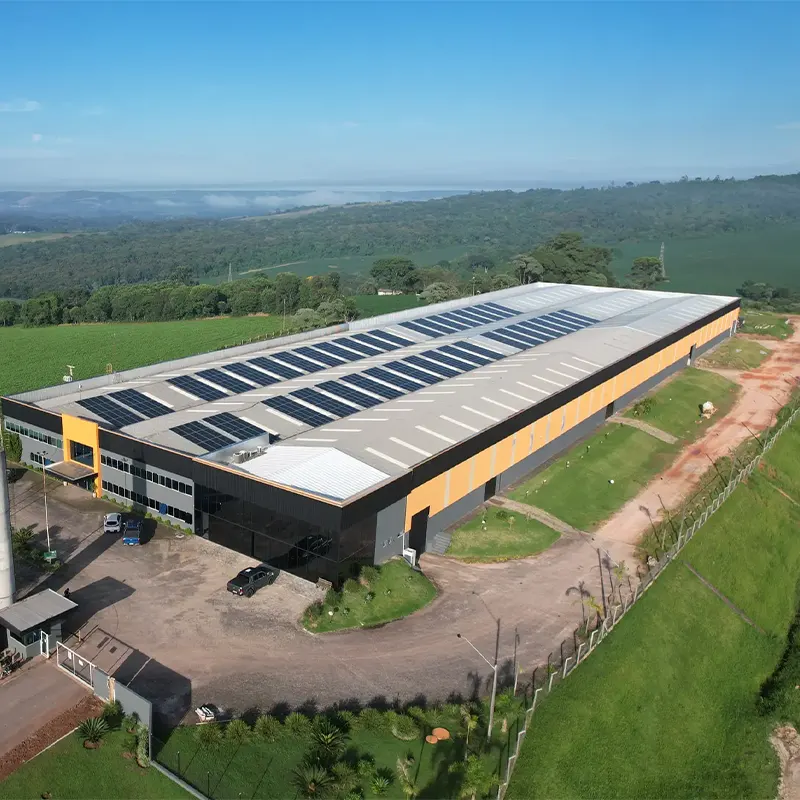
Patchouli cultivation differs from the perennial tree crops covered in previous E-series articles in one important agronomic respect: patchouli (Pogostemon cablin) is a tropical shrub, not a tree — it is replanted every 2–4 years as the plant’s oil productivity declines with age. This replanting cycle means that the land preparation requirements of the patchouli farm recur at 2–4 year intervals, rather than the 10–50 year intervals typical of tree crop plantation establishment. Rock crusher treatment at each replanting cycle renews the fresh mineral surface exposure from embedded boulders, maintaining a consistently higher Mg²⁺ and Mn²⁺ release rate than undisturbed terrain would provide over the decades of production.
Patchouli’s relatively shallow root system (primary roots typically 20–40 cm depth) concentrates mineral uptake in the upper soil horizon — exactly the zone most directly influenced by rock crusher boulder fragmentation and the subsequent weathering of the resulting fragment population. The fresh mineral surfaces in the 0–40 cm soil profile that the rock crusher produces are precisely the zone from which patchouli’s HMGR and PAS enzyme systems draw the Mg²⁺ and Mn²⁺ cofactors for patchouli alcohol synthesis. No other crop in this E-series has its mineral uptake zone as shallowly concentrated as patchouli — making the near-surface mineral release from rock crusher treatment the most immediately bioavailable in the series.
Watanabe THOR Range — Specifications for Patchouli Farm Applications
De Korea Watanabe THOR steenbrekerassortiment for patchouli farm applications addresses andesite/dacite volcanic boulders (Aceh, Mohs 6–7) and charnockite metamorphic boulders (Tamil Nadu, Mohs 6–7 — the orthopyroxene-bearing granulite is a hard rock). The THOR 2.4 (180 HP minimum, 2.4-metre working width) handles both hard rock types with appropriate hammer wear planning, and its 2.4-metre width is compatible with patchouli row spacing of 1.5–2 m used in intensive managed production systems.
Frequently Asked Questions — Rock Crusher for Patchouli Plantations
▶Patchouli is replanted every 2–4 years. Does the rock crusher need to be deployed at every replanting cycle?
The rock crusher deployment frequency for patchouli farms depends on whether the initial boulder population has been substantially reduced by the first treatment. On newly developed rocky hillside ground, the first THOR treatment at initial cultivation removes the majority of embedded boulders from the active cultivation zone (0–40 cm depth), leaving the fragmented mineral material in place to weather progressively. At the first replanting (2–4 years later), the mineral release rate from the original treatment is still near its peak — the freshly fragmented surfaces have been weathering for only 2–4 years and still have significant unreacted mineral surface area available. A rock rake pass (rather than a full THOR deployment) is typically sufficient for the first replanting to clear the surface residue from the harvested crop and any new stone material that frost or erosion has moved to the surface. A second full THOR deployment is most appropriate at the second or third replanting cycle, when the mineral release rate from the original treatment fragments has declined significantly and when assessment of the active rock population in the cultivation zone indicates new material requiring fragmentation. In practice, on volcanic Aceh and charnockite Tamil Nadu terrain: first treatment provides the primary mineral quality benefit; THOR retreatment at 6–10 year intervals (the second or third replanting) maintains the mineral release rate at the level beneficial to the MVA pathway enzymes.
▶Patchouli oil content is strongly affected by leaf age and harvest timing. Does soil mineral management via rock crusher treatment add meaningful quality improvement beyond choosing the right harvest window?
Harvest timing (which determines the leaf age distribution in the harvest batch) is the dominant controllable variable for patchouli alcohol content — older, more mature leaves consistently accumulate higher patchouli alcohol concentrations than young leaves, and optimal harvest timing (100–110 days after transplanting, at first flower initiation) is the single most impactful management decision for oil quality in a given growing cycle. Soil mineral management via rock crusher treatment is a platform-level improvement that sets the biochemical ceiling within which harvest timing management operates. More precisely: HMGR activity (Mg²⁺-dependent) determines the total flux of FPP that PAS has available to convert to patchouli alcohol; harvest timing then determines what fraction of the maximum possible patchouli alcohol has accumulated in the leaf glands at the moment of cutting. A well-managed farm with correct harvest timing but inadequate HMGR activity (soil Mg²⁺ insufficient) will plateau at a lower patchouli alcohol ceiling than a well-managed farm with adequate HMGR activity at the same harvest timing. Both are needed for premium-grade output consistently: rock crusher mineral management to raise the biochemical ceiling, and careful harvest timing management to capture the oil when the ceiling has been reached.
▶Why is Mn²⁺ particularly effective for patchouli alcohol synthase (PAS) compared to Mg²⁺ alone?
The selectivity of sesquiterpene cyclases for Mg²⁺ vs Mn²⁺ as divalent metal cofactor varies between enzymes and is documented in the structural biochemistry literature for multiple sesquiterpene synthases. PAS (patchouli alcohol synthase) has been studied in laboratory assays where enzyme activity is measured with different divalent metals as cofactors: Mg²⁺ supports activity but Mn²⁺ is typically more effective at catalyzing the initial pyrophosphate departure from FPP that initiates the cyclization cascade. This reflects the binding geometry and electronic properties of the two metals in the PAS active site — Mn²⁺ coordinates more tightly to the diphosphate oxygen atoms, providing a stronger electrostatic pull that facilitates the ionization step. In practical soil mineral terms: Mn²⁺ availability in the root zone is a meaningful secondary quality factor for patchouli alcohol yield, supplementing the primary Mg²⁺/HMGR control. Volcanic andesite/basalt and charnockite both contain Mn-bearing minerals (pyroxene contains small but real MnO substitutions, and accessory rhodonite or manganiferous silicates are present in many igneous and metamorphic rocks) that release Mn²⁺ alongside Mg²⁺ during weathering. Rock crusher treatment of these rocks therefore releases Mn²⁺ in addition to Mg²⁺, providing the PAS cofactor alongside the HMGR cofactor.
▶How does the MVA pathway operate differently in patchouli compared to a non-essential-oil plant that also uses MVA (for example, for sterol synthesis)?
All plants use the MVA pathway for fundamental sterol and sesquiterpene biosynthesis — sterols are essential components of all plant cell membranes, and sesquiterpenes include universal signalling compounds (abscisic acid precursors) as well as crop-specific aromatic compounds like patchouli alcohol. The HMGR enzyme in all plants is therefore performing the same core function (mevalonate production for sterol synthesis) regardless of whether the plant also uses the downstream FPP pool for aromatic sesquiterpenes. What differentiates patchouli (and frankincense, sandalwood — E-70, E-71) from non-aromatic plants in this framework is the expression of specialised sesquiterpene synthases (PAS in patchouli; santalene synthase in sandalwood) that channel a significant portion of the total FPP pool into aromatic compound synthesis rather than entirely into the primary sterol pathway. The HMGR rate control (Mg²⁺-dependent) determines the total MVA/FPP pool available; the specialised sesquiterpene synthases then capture their share of that pool into aromatic compounds. Soil Mg²⁺ management via rock crusher treatment raises the total FPP pool ceiling — and the proportion captured by PAS into patchouli alcohol is then determined by PAS enzyme abundance and activity (which is influenced by Mn²⁺ as described above and by developmental regulation of the PAS gene expression, which is highest in mature leaves under the appropriate light and temperature conditions).
▶Are there other quality compounds in patchouli EO (besides patchouli alcohol) that also benefit from the Mg²⁺-MVA rock crusher mineral pathway?
Yes — all the sesquiterpene hydrocarbons in patchouli EO are products of the same MVA → FPP pipeline and therefore all respond to the Mg²⁺/HMGR rate increase from rock crusher mineral treatment. The sesquiterpene hydrocarbon fraction of patchouli EO (typically 50–55% of total EO by GC area) includes α-bulnesene, β-caryophyllene, α-guaiene, seychellene, β-patchoulene, and norpatchoulenol — all C15 sesquiterpenes synthesised from FPP by different sesquiterpene synthase enzymes than PAS, but drawing from the same FPP pool that HMGR’s Mg²⁺-controlled production rate fills. When HMGR activity is higher (more soil Mg²⁺ available), the total FPP pool increases — and with it, the total sesquiterpene hydrocarbon fraction alongside patchouli alcohol. The overall effect of Mg²⁺/rock crusher treatment is therefore an increase in total sesquiterpene concentration in the EO (both the patchouli alcohol fraction and the sesquiterpene hydrocarbon fraction), with the proportional distribution between individual compounds determined by the relative abundance and activity of each sesquiterpene synthase gene product in the patchouli leaf gland cells. The quality metric (patchouli alcohol %) may remain relatively stable as a proportion even as the total EO yield per gram of leaf increases — the commercial benefit is therefore both in the quality metric (if Mg²⁺ increases PAS activity preferentially) and in the EO yield per unit of leaf biomass harvested.
Specify THOR Rock Crusher for Your Patchouli Farm Site
Share your site details — region (Aceh / Tamil Nadu / other), rock type (andesite / charnockite / other), site area, slope gradient, and tractor HP available. Korea Watanabe confirms the appropriate THOR configuration for your patchouli farm establishment programme.
Redacteur: Cxm