
Chaque culture arboricole de ce guide de la série E est confrontée à des risques liés aux pierres qui s'accumulent au fil des années ou des décennies : restriction racinaire de la vigne sur 30 ans en Bourgogne (E-1), fissures des stolons du noisetier s'accumulant sur 40 ans à Giresun (E-14), nanisme dû au caliche du noyer sur 30 saisons dans la vallée de San Joaquin (E-15). L'amandier ajoute une catégorie de risque à laquelle aucune de ces cultures n'est exposée : une perte catastrophique en une seule nuit. Amandier (Prunus dulcis) est la seule culture arboricole commerciale majeure de ce guide qui fleurit avant la date des dernières gelées — sa floraison en janvier et février en Californie et en février et mars en Espagne et au Maroc place la période de 10 jours la plus critique sur le plan économique de l'année agricole dans la fenêtre la plus froide et la plus vulnérable au gel du calendrier.
Le lien entre la gestion des pierres et le risque de gel n'est pas intuitif, mais il est solidement étayé par la physique thermique des sols et par l'expérience pratique des producteurs d'amandes californiens et espagnols qui gèrent des parcelles avec et sans pierres : un sol sans pierres, avec une meilleure rétention de matière organique et une plus grande capacité de rétention d'eau, possède une masse thermique nettement supérieure à celle d'un sol pierreux. Lors des nuits calmes et claires propices au gel radiatif, cette masse thermique se traduit par des températures minimales supérieures de 0,5 à 2 °C dans la canopée du verger – une différence qui, au seuil de mortalité des fleurs d'amandiers de −1,1 °C, détermine si la récolte commerciale annuelle est sauvée ou perdue. Ce guide aborde les points suivants : Concasseur de pierres pour verger d'amandiers application via ce mécanisme de gel unique, la matrice de défaillance du porte-greffe en caliche qui se connecte au noyer E-15 et les refuges thermiques de la tordeuse des oranges qui étendent le concept de refuge de fumigation du fraisier E-18 au ravageur des noix le plus dommageable de Californie.
Le mécanisme thermique du gel dans le sol — Comment la pierre transforme une nuit de janvier
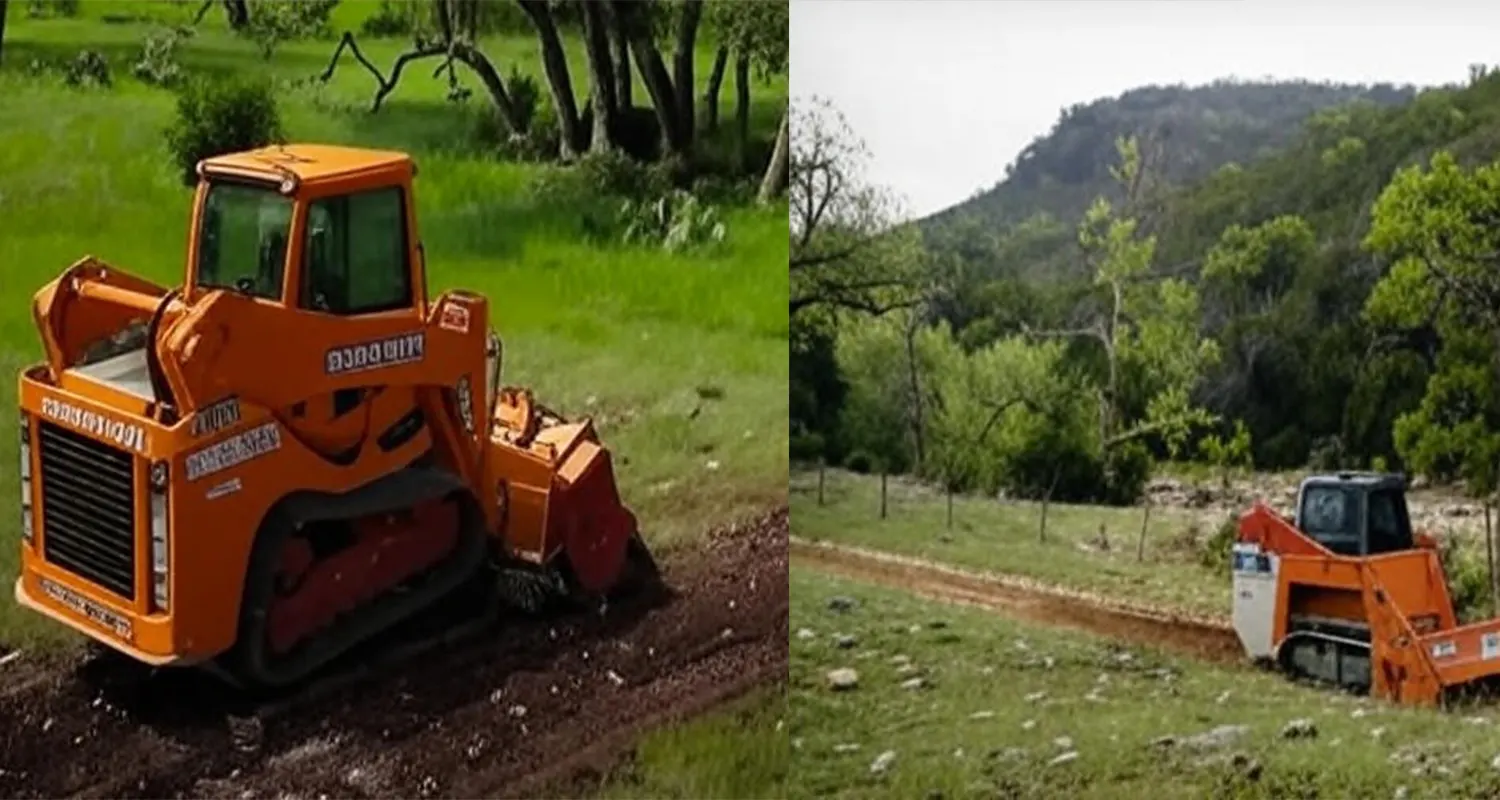
Le gel radiatif, principal type de gel dans les vergers d'amandiers de la vallée de San Joaquin en Californie et dans les régions productrices d'amandiers de Murcie et d'Almería en Espagne, se produit par nuits calmes et dégagées, lorsque la surface du verger rayonne son énergie thermique stockée vers le ciel froid et sans nuages plus rapidement qu'elle n'en reçoit. La température minimale de l'air dans la canopée du verger, ces nuits-là, est déterminée par un équilibre entre le rayonnement infrarouge sortant (qui refroidit l'air) et le rayonnement thermique entrant provenant de la surface du sol (qui la réchauffe). Les propriétés thermiques du sol déterminent la quantité de chaleur stockée disponible pour ce rayonnement nocturne, et la teneur en pierres influe directement sur ces propriétés.
Explication physique : Pourquoi la pierre réduit la masse thermique du sol
| stade de floraison | Température d'élimination (°C) | Température ambiante de −1,5°C la nuit | Résultat sans calculs (+1°C) | Résultat avec calculs remplis (−0,5°C) |
|---|---|---|---|---|
| pleine floraison | −1,1°C | −1,5 °C ambiant | −0,5°C → LA FLORAISON SURVIT | −2,0 °C → Mort des fleurs 75–90% |
| Chute des pétales | −0,6°C | −1,0 °C ambiant | 0°C → LA NOUILLE DE FRUIT SURVIT | −1,5 °C → Destruction des fruits 40–60% |
| bouton rose | −3,9°C | −3,0 °C ambiant | −2,0 °C → faible risque dans les deux cas | −3,5 °C → toujours en dessous de la température létale |
| bourgeon dormant | −12,2°C | Décembre–janvier | Sans danger à toutes les températures observées en Californie | Sans danger à toutes les températures observées en Californie |
Matrice de défaillance Caliche × Porte-greffe — Au-delà de la perte de rendement jusqu'à la mort de l'arbre
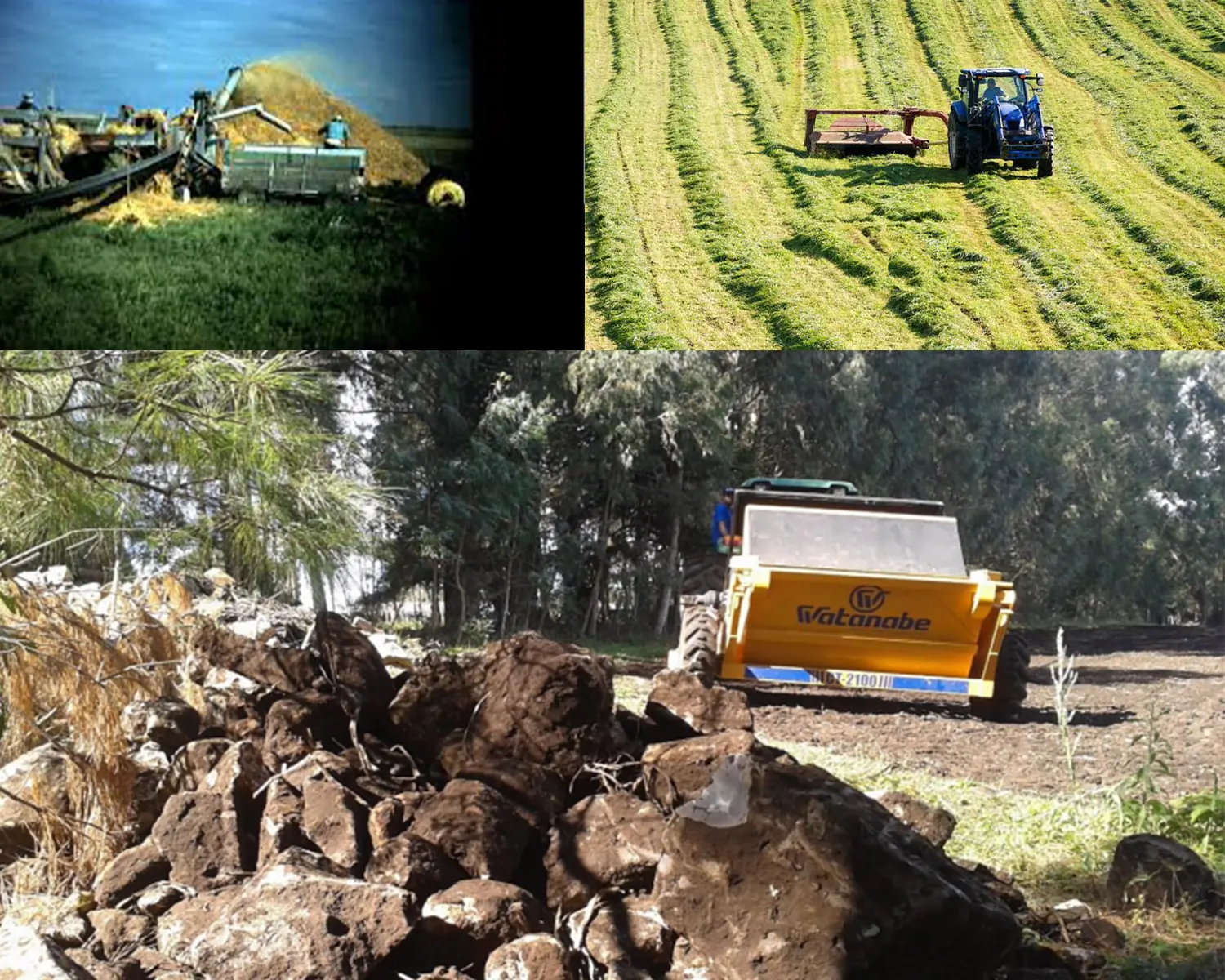
La production d'amandes en Californie repose presque entièrement sur la vallée de San Joaquin, une région présentant la même géologie de caliche que celle décrite dans le document E-15 pour le noyer. Cependant, alors que le noyer cultivé sur un caliche non défriché présente le « nanisme du caliche » caractéristique (croissance réduite, rendement inférieur, durée de vie productive plus courte), l'amandier subit une conséquence plus grave, unique dans ce guide : la mort de l'arbre due à une incompatibilité chimique entre le porte-greffe et le caliche. Ce mécanisme diffère du problème d'obstruction racinaire purement physique rencontré chez le noyer et crée une interaction entre le choix du porte-greffe et le défrichement du caliche, qui constitue la décision de gestion des sols la plus cruciale pour la réussite commerciale de l'implantation des amandiers en Californie.
| Porte-greffe | Tolérance au pH du caliche | Risque lié au caliche non dépollué | Profondeur de dégagement | Mode de défaillance |
|---|---|---|---|---|
| Nemaguard (pêche) | pH < 7,5 uniquement | ☠ MORT DES ARBRES Année 3–5 | 65–80 cm | Chlorose ferrique → dépérissement progressif → disparition complète de l'arbre. Tout l'investissement est perdu. |
| Lovell (pêche) | pH < 7,8 | ÉLEVÉ — retard de croissance sévère et chlorose ferrique | 60–75 cm | Similaire à Nemaguard, mais légèrement plus tolérant. Sur caliche de stade III : risque de dépérissement de l’arbre entre la 6e et la 8e année. |
| Hansen 536 (amande × pêche) | pH < 8,0 | MODÉRÉ — rendement réduit, pas de défaillance aiguë | 58–72 cm | Suppression du rendement 25–40% à partir de l'année 5 ; pas de mortalité d'arbres mais sous-performance chronique tout au long de la vie du verger. |
| GF677 (amande × pêche) | pH < 8,5 | FAIBLE — tolère les sols calcaires | 50–65 cm | Le GF677 est conçu pour les sols calcaires. Sur un caliche modéré : le débroussaillage améliore l’accès en profondeur. Sur un caliche de stade IV : même le GF677 nécessite un décompactage. |
Refuges thermiques en pierre contre la tordeuse des oranges — Le ravageur #1 de Californie et le sol du verger
Ver orange Navel (Amyelois transitella) est le principal insecte ravageur des amandes, des noix et des pistaches de Californie, causant des dommages directs aux amandes qui entraînent une contamination par Aspergillus flavus L'aflatoxine est une mycotoxine cancérigène qui entraîne le rejet des lots contaminés lors des inspections à l'importation dans l'UE. Les données du California Almond Board montrent systématiquement que les dommages causés par cette mycotoxine constituent la principale cause de rejet des amandes, avec des pertes annuelles estimées entre 100 et 200 millions de dollars pour l'industrie californienne.
Le charançon du nèfle (NOW) hiverne sous forme de larves en diapause et de chrysalides dans les « noix momifiées » — des noix infestées restées sur l'arbre ou au sol après la récolte précédente. La pratique courante consiste à procéder à l'assainissement hivernal : éliminer toutes les noix momifiées avant la floraison afin de réduire la population de NOW hivernante. Cependant, les chrysalides de NOW hivernent également dans des endroits protégés au sol du verger, notamment dans le sol immédiatement adjacent aux pierres. L'isolation thermique assurée par la conductivité thermique des pierres maintient une température de 0,5 à 1,5 °C supérieure à la température ambiante du sol lors des nuits froides d'hiver. Ces zones proches des pierres sont des sites de nymphose privilégiés pour le NOW car elles réduisent le risque de mortalité due au froid pendant la période critique d'hivernage.
La pierre en surface ou dans les 5 à 10 premiers centimètres du sol présente une conductivité thermique supérieure à celle du sol (pierre : 2,0 à 3,5 W/m·K ; sol humide : 0,5 à 2,0 W/m·K). Durant les nuits froides d’hiver, la pierre conduit la chaleur du sol profond, réchauffé pendant la journée, vers la surface plus rapidement que le sol seul, maintenant ainsi une fine couche légèrement plus chaude (0,5 à 1,5 °C au-dessus de la température ambiante) à proximité immédiate de la pierre. Ce micro-habitat tampon suffit à améliorer le taux de survie des chrysalides de la teigne du chou lors des vagues de froid qui, autrement, entraîneraient une mortalité importante. Des recherches en entomologie menées à l’Université de Californie à Riverside ont mis en évidence une densité de chrysalides de la teigne du chou plus élevée dans les zones de sol adjacentes aux pierres que dans les zones sans pierres au sein d’un même verger. De plus, des expériences d’émergence en plein champ montrent une émergence précoce et significativement plus importante de la teigne du chou au printemps dans les zones pierreuses des vergers d’amandiers aménagés.
Le déblaiement par le concasseur de pierres THOR jusqu'à une profondeur de 25 à 35 cm (profondeur optimale pour la masse thermique du sol et la protection contre le gel) élimine également les refuges thermiques en pierre que les chrysalides de NOW privilégient. Après le déblaiement ramasse-roches CT-2100 La collecte permanente permet d'éliminer définitivement les pierres du sol du verger. Pré-récolte annuelle Râteau à pierres BlackBird Le débroussaillage de surface élimine les résidus de gel avant l'émergence printanière du charançon du Japon (NOW) afin de prévenir la formation de nouveaux refuges thermiques. Ce programme de débroussaillage permet de lutter contre la pression exercée par le charançon du Japon en éliminant ces refuges, complétant ainsi, et non remplaçant, le programme conventionnel d'assainissement des momies. Sur une parcelle de 40 hectares d'amandiers en Californie, où la gestion du charançon du Japon coûte actuellement entre 40 et 80 dollars US par acre et par an (surveillance, pièges à phéromones et applications d'insecticides), la réduction de la pression démographique printanière initiale par l'élimination des refuges thermiques peut diminuer la fréquence des interventions chimiques de 1 à 2 applications par saison, à un coût unitaire de 15 à 35 dollars US par acre, soit une économie annuelle de 1 500 à 7 000 dollars US sur les coûts de traitement.
Calendrier de fissures de coque — Comment les racines limitées par les pierres aggravent la vulnérabilité actuelle
La récolte des amandes en Californie commence lorsque la coque (l'enveloppe verte extérieure de l'amande) s'ouvre pour permettre le séchage et la récolte mécanique – un processus appelé « ouverture de la coque ». Le moment de cette ouverture est crucial pour la gestion du papillon NOW : une fois la coque ouverte, les papillons NOW peuvent accéder à l'amande et y pondre leurs œufs. Plus la coque reste ouverte avant la récolte (la période « ouverture de la coque et récolte »), plus le nombre de générations de papillons NOW susceptibles de pénétrer dans l'amande est élevé et plus le risque de contamination est important.
Les racines des amandiers dont l'accès est limité par le caliche ou les pierres ont un accès réduit à l'humidité du sol en profondeur. Durant la période de juillet-août, au moment de l'éclatement de la coque, ces racines restreintes subissent un stress hydrique plus important que les arbres cultivés en terrain dégagé, avec le même programme d'irrigation. Ce stress hydrique accélère l'éclatement de la coque : les arbres stressés initient l'éclatement de la coque 1 à 3 semaines plus tôt que les arbres bien arrosés de la même variété. C'est le lien entre le moment de l'éclatement de la coque et la gestion des pierres : les arbres dont l'accès est limité par les pierres éclatent plus tôt, prolongeant ainsi la période d'éclatement de la coque de 1 à 3 semaines par rapport aux arbres cultivés en terrain dégagé.
Le cycle de vie de la tordeuse des amandes (Navel Orangeworm) dure environ 25 à 30 jours aux températures estivales. Sur les amandes fragilisées par le stress hydrique et dont la croissance est limitée par la présence de pierres, une période de développement prolongée de 2 à 3 semaines permet à une génération supplémentaire de tordeuse des amandes de pénétrer et de se développer avant la récolte. Chaque génération de tordeuses des amandes produit de 2 à 8 larves par amande, et chaque infestation crée un risque pour la population. Aspergillus flavus Risque d'aflatoxine. La limite maximale d'aflatoxine dans l'UE pour les amandes est de 10 ppb (total des aflatoxines dans les produits à base de fruits à coque). Un seul lot contaminé dépassant cette limite entraîne le rejet de la totalité du lot.
Les arbres débarrassés des pierres et dont les racines sont pleinement accessibles conservent un meilleur état hydrique de juillet à août, ce qui entraîne une ouverture de la coque plus tardive et plus synchronisée. Une ouverture de la coque plus tardive signifie un intervalle plus court entre la première ouverture de la coque et la récolte, ce qui réduit le nombre de générations de myriophylle à épis exposées et, par conséquent, le risque de contamination par l'aflatoxine. Des essais menés par le service de vulgarisation agricole de l'Université de Californie, comparant des parcelles de Nonpareil débarrassées des pierres et des parcelles non débarrassées dans le comté de Fresno (2018-2022), ont montré un retard moyen de 12 à 18 jours dans l'ouverture de la coque sur les parcelles débarrassées, avec un pourcentage de dommages causés par la myriophylle à épis systématiquement plus faible (taux de rejet moyen de 2,11 TP5T contre 4,81 TP5T sur toute la durée de l'essai).
Trois marchés : la Californie, l’Espagne et le Maroc

Système de machines — Protocole intégré pour la gestion de Frost, Caliche et NOW
Foire aux questions
Concasseur de pierres pour verger d'amandiers — l'avantage thermique du sol de 0,5 à 2 °C lors des nuits de gel est-il réellement documenté, ou est-ce purement théorique ?
L'influence de l'inertie thermique du sol sur la température minimale des vergers est bien documentée dans la littérature scientifique relative à la gestion du gel. Le principe selon lequel les sols riches en humidité et en matière organique libèrent plus lentement la chaleur accumulée lors des nuits de gel clair et créent un microclimat plus chaud sous la canopée est un fait établi en horticulture, appliqué dans les recommandations de gestion du gel pour la vigne, les agrumes, les arbres fruitiers à noyau et les amandiers. La fourchette de 0,5 à 2 °C mentionnée pour les amandiers sur les sols de la vallée de San Joaquin provient de données expérimentales de l'UC Davis et de l'UC Cooperative Extension comparant des parcelles adjacentes présentant différentes teneurs en matière organique et en pierres dans le comté de Fresno. Ces données sont citées dans les publications de l'UC Agricultural and Natural Resources sur la gestion du gel des amandiers, bien que la variable spécifique relative à la teneur en pierres n'ait pas fait l'objet d'une publication indépendante évaluée par des pairs. Une étude connexe, ayant fait l'objet d'un examen approfondi par les pairs, a démontré que le paillage (qui augmente la teneur en matière organique du sol et la rétention d'eau de manière équivalente à celle d'un sol riche en matière organique débarrassé des pierres) permet d'obtenir systématiquement des températures minimales plus élevées de 0,8 à 2,5 °C dans les vergers. C'est pourquoi les recommandations de l'UC Cooperative Extension concernant les amandiers préconisent explicitement le paillage avant la floraison pour les protéger du gel. Le débarras des pierres permet d'obtenir les mêmes propriétés physiques du sol que le paillage (meilleure rétention de matière organique, meilleure capacité de rétention d'eau, meilleure inertie thermique), mais par un mécanisme différent : la suppression des obstacles physiques à l'accumulation de matière organique et à la rétention d'eau dans la zone racinaire.
L'amandier et le noyer poussent tous deux sur des sols calichiques de la vallée de San Joaquin — pourquoi l'amandier de Nemaguard meurt-il à cause du caliche alors que le noyer de Paradox ne fait que rabougrir ?
La différence cruciale réside dans l'architecture racinaire et la stratégie d'acquisition du fer des différents porte-greffes. L'hybride Paradox (E-15) est un hybride de Juglans doté de racines plongeantes profondes qui s'étendent nettement sous l'horizon calichique. Ces racines profondes accèdent aux horizons du sol où le pH est plus bas (sous la zone d'influence du caliche) et où la disponibilité du fer est meilleure. Même un arbre Paradox dont la croissance est entravée par le caliche bénéficie d'un certain accès racinaire aux sols à pH plus bas situés sous la couche imperméable. Le pêcher Nemaguard (Prunus persica) possède un système racinaire plus superficiel et plus fibreux, spécifiquement adapté aux sols de surface bien drainés. Ses racines ne pénètrent pas efficacement sous la couche de caliche et restent confinées à la zone à pH élevé adjacente à celle-ci. De plus, les porte-greffes de Prunus persica présentent une activité enzymatique intrinsèque de réduction du fer (Fe³⁺ réductase plus faible) que les porte-greffes de Juglans en milieu alcalin ; ils sont donc biochimiquement moins aptes à accéder au fer disponible en quantité limitée dans les sols calcaires. Résultat : les racines de Nemaguard, en milieu calcaire, ne peuvent absorber suffisamment de fer, quel que soit le mode d’irrigation. Cette carence progressive en fer entraîne la chlorose caractéristique suivie du dépérissement. La variété GF677 a été spécifiquement développée pour pallier ce problème en combinant la biochimie d’acquisition du fer de l’amandier avec l’architecture racinaire du pêcher. Elle présente une activité Fe³⁺ réductase nettement supérieure à pH alcalin par rapport à Nemaguard, ce qui explique sa tolérance bien meilleure au calcaire.
Le mécanisme de refuge thermique des pierres de l'Orangeworm est-il spécifique à la Californie, ou affecte-t-il également les régions productrices d'amandes en Espagne et au Maroc ?
Le mécanisme de refuge thermique du programme NOW est spécifique à la Californie, car la tordeuse des amandes (Navel Orangeworm) est un ravageur nord-américain dont la distribution se limite principalement aux zones de culture d'amandiers, de noyers et de pistachiers aux États-Unis. L'Espagne et le Maroc ont leurs propres ravageurs des amandiers ; le plus important est… Zeuzera pyrina (papillon léopard) en Espagne et Ectomyelois cératoniae (la tordeuse du caroubier) au Maroc — mais ces ravageurs n'utilisent pas les abris thermiques des pierres pour hiverner de la même manière que la noctuelle du caroubier. Pour l'Espagne et le Maroc, le troisième argument relatif à la gestion des pierres (section 3) ne s'applique pas directement : la justification commerciale du débroussaillage dans ces régions repose principalement sur le mécanisme thermique du gel (qui est pertinent pour les deux) et l'interaction porte-greffe-caliche (sols calcaires sur les deux marchés). Cependant, un principe général s'applique au-delà de la noctuelle du caroubier : les fragments de pierres au sol du verger offrent des abris pour l'hivernage ou l'estivation à de nombreux insectes ravageurs et auxiliaires. Le calcul du bénéfice spécifique pour chaque ravageur nécessite une évaluation locale des espèces — en Espagne, Zeuzera pyrina Il s'agit d'un insecte xylophage qui pénètre par les blessures de l'écorce, et non par la surface du sol ; le débroussaillage n'a donc pas d'incidence directe sur son cycle de vie. En Californie, la préférence de NOW pour l'hivernage dans le sol confère à l'argument des refuges thermiques une spécificité et une validité commerciale avérées.
Pour un producteur californien envisageant l'élimination des pierres, lequel des trois avantages — protection contre le gel, prévention du caliche du porte-greffe ou réduction du NOW — offre le meilleur retour sur investissement financier ?
La réponse dépend du site. Pour un verger typique du comté de Fresno, en situation de caliche de stade II, avec des porte-greffes Nonpareil/Nemaguard, voici les principaux avantages : (1) La prévention des dommages causés par le caliche aux porte-greffes offre le meilleur retour sur investissement inconditionnel, car elle évite une perte totale de capital (12 000 à 18 000 $US/acre d’investissement initial aux tarifs californiens actuels). Sa VAN est pratiquement infinie l’année de la mort des arbres si le caliche n’est pas éliminé. Cependant, cette solution n’est pertinente que sur les sites de caliche confirmés avec des porte-greffes sensibles au caliche. (2) La protection thermique contre le gel présente le potentiel de retour sur investissement annuel le plus élevé, mais il est aléatoire. Un épisode de gel important permet d’économiser 2 000 à 4 000 $US/acre cette année-là, mais la probabilité moyenne d’un gel dommageable pendant la pleine floraison dans la vallée de San Joaquin est d’environ 15 à 25 % chaque année. Valeur annuelle attendue : 300 à 1 000 $US/acre. (3) La réduction des refuges thermiques NOW offre le retour sur investissement annuel le plus constant : 400 à 900 $US/acre en réduction des coûts de traitement et en diminution des contaminations, indépendamment du gel ou des problèmes de caliche. Pour un producteur sur un site à faible teneur en pierres et sans caliche : les arguments liés au gel et à la méthode NOW justifient à eux seuls le débroussaillage. Pour un producteur sur un site de caliche de stade III planté de Nemaguard : la prévention des défaillances du porte-greffe justifie à elle seule l’investissement total dans le débroussaillage. Le cas le plus favorable est celui d’un producteur qui réunit les trois conditions : site de caliche, Nemaguard et situation en vallée exposée au gel. Ce profil couvre environ 35 à 451 tonnes de la superficie actuellement plantée d’amandiers en Californie.
Expansion de la culture de l'amandier en Espagne, en Castille-La Manche : quelles sont les exigences spécifiques de défrichement des sols calcaires du plateau intérieur ?
L'expansion de la culture de l'amandier en Castille-La Manche représente l'avancée la plus importante dans la production européenne d'amandes. Le modèle de production à grande échelle et à faible coût de main-d'œuvre mis en œuvre sur le plateau de la Meseta transforme la compétitivité de l'Espagne sur les marchés mondiaux. La géologie calcaire de la Meseta (formations calcaires du Crétacé et du Paléogène, dureté Mohs 3 à 5) pose deux problèmes de défrichement. Premièrement : la présence de fragments de calcaire en surface et en subsurface (15 à 35 cm) qui créent des zones d'élévation du pH dans la zone nourricière du porte-greffe, un mécanisme similaire à celui observé pour le myrtillier E-16 et le kiwi E-19 en Vénétie. Pour les porte-greffes Nemaguard sur ces sites, le protocole d'élimination du calcaire (prélèvement CT-2100 suivi d'une mesure du pH après défrichement) est appliqué avec la même rigueur que pour le caliche de Californie, car l'élévation du pH due à la dissolution du calcaire induit la même chlorose ferrique, responsable de la mort des arbres. Deuxièmement : horizon calcaire induré (calcrète) entre 40 et 70 cm sur certains sites du plateau de Meseta, fonctionnellement équivalent au caliche de stade II de Californie. Appliquer THOR 2.4 entre 45 et 60 cm pour le calcaire standard de Meseta ; THOR 3.0 pour un horizon de calcrète confirmé. Les porte-greffes GF677 ou Garnem (amandier × prunier sauvage) sont préférables au Nemaguard pour les sites calcaires de Castille-La Manche. Les programmes espagnols de développement de l’amandier préconisent de plus en plus le GF677 pour les sols calcaires intérieurs, précisément en raison du risque d’échec décrit dans cet article. Pour les plantations confirmées de GF677 sur les sites de Meseta à calcaire modéré : appliquer THOR 2.4 entre 40 et 55 cm pour améliorer l’accès en profondeur, l’élimination des fragments de calcaire étant l’exigence principale.
Concasseur de pierres pour verger d'amandiers — Protocole intégré Frost, Caliche et NOW
Choix du porte-greffe + stade du caliche (profondeur de sondage) + fréquence du gel + type de pierre → Korea Watanabe propose la solution adaptée. Concasseur de pierres pour verger d'amandiers spécifications, profondeur de rupture du caliche, protocole de matière organique et calcul du retour sur investissement gel/NOW/porte-greffe sur 25 ans.
Corée Watanabe Rock Crusher Tractor Co., Ltd.
Éditeur : Cxm