Der EP-EW-4000 Steinrechen Die EP-EW-4000 ist die am häufigsten eingesetzte Maschine im koreanischen Hochland-Steinmanagementsystem – mehr koreanische Hochlandbetriebe nutzen die EP-EW-4000 jährlich länger als jede andere Steinmanagementmaschine aus dem Watanabe-Sortiment. Mit einem erforderlichen Traktor von 75 PS ist sie für gängige koreanische Landwirtschaftstraktoren geeignet; ihre Arbeitsbreite von 3,6 m ermöglicht eine effiziente Bearbeitung landwirtschaftlicher Flächen; und ihre Oberflächenaufnahmefunktion bewältigt die häufigste Aufgabe im koreanischen Hochland-Steinmanagement – die jährliche Entfernung von durch Frosthebung entstandenen Oberflächensteinen von bestehenden Feldern – effizienter als jede andere Methode.
Um die EP-EW-4000 korrekt einzusetzen, ist es wichtig zu verstehen, wofür sie konzipiert wurde und – ebenso wichtig – wofür sie nicht ausgelegt ist. Die EP-EW-4000 ist eine Maschine zur Oberflächenentnahme von Steinen. Sie zerkleinert kein Gestein, dringt nicht in den Boden ein und kann keine Steine in einer Tiefe von weniger als ca. 8–10 cm aufnehmen. Innerhalb dieser Parameter ist ihre Leistungsfähigkeit optimal. Der Einsatz außerhalb dieser Parameter führt zu unzureichenden Ergebnissen, was den Bediener fälschlicherweise zu dem Schluss verleiten kann, die Maschine sei ungeeignet, obwohl für die jeweilige Aufgabe der Steinbrecher THOR 2.4 erforderlich gewesen wäre.
EP-EW-4000 Bestätigte Spezifikationen
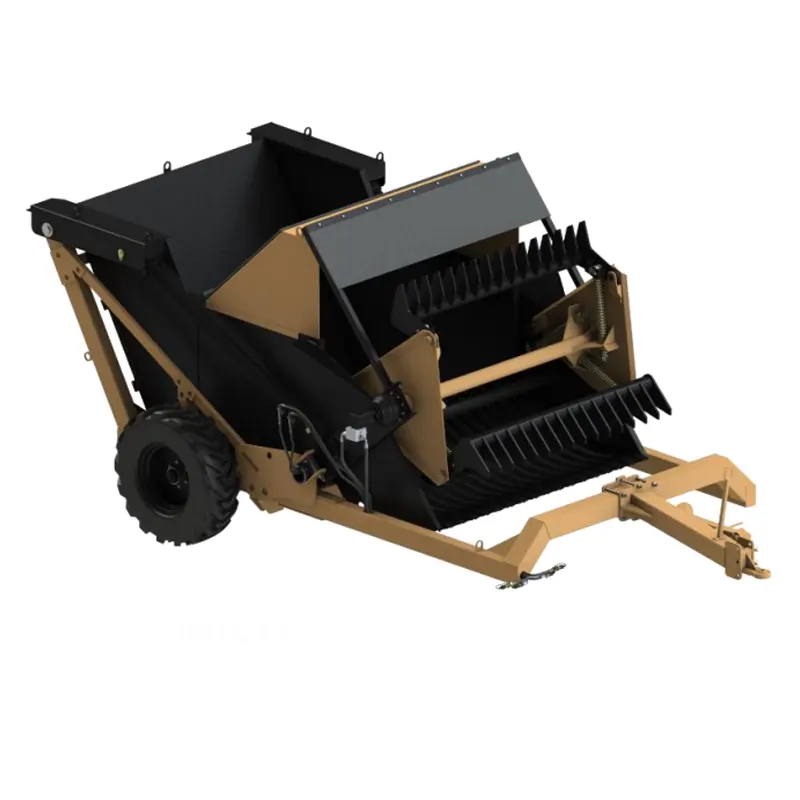
Alle Spezifikationen stammen aus der offiziellen Produktbroschüre von Watanabe.
Die Kernentscheidung – EP-EW-4000 Rechen oder THOR 2.4 Brecher?
Die wichtigste Entscheidung im Steinmanagement der koreanischen Berglandwirtschaft wird jedes Frühjahr nach dem Auftauen des Bodens getroffen: Welche Maschine benötigt dieses Feld in diesem Jahr? Eine richtige Entscheidung spart in den meisten Saisons, in denen der Rechen ausreicht, erhebliche Betriebskosten und stellt gleichzeitig sicher, dass der THOR nur in den wenigen Saisons zum Einsatz kommt, in denen er tatsächlich benötigt wird. Der Entscheidungsrahmen:
| Feldzustand nach der Frühjahrstauzeit | EP-EW-4000 | THOR 2.4 | Entscheidungsgrundlage |
|---|---|---|---|
| Alle Oberflächensteine wiegen unter 40 kg, keiner ist größer als 15 cm. | ✅ Korrekt | Überdimensionierung | In einem normalen Jahr mit leichtem Frosthub bewältigt der Rechen die gesamte Steinanzahl. |
| Vereinzelt Steine 40–80 kg (unter 25 cm) | ⚠ Nur teilweise | ✅ Korrekt | Mit dem Rechen werden kleine Steine zu Haufen zusammengetragen; THOR zerkleinert die Steine über 40 kg, die der Rechen nicht bewegen kann. |
| Mehrere Steine über 40 kg in jedem Feldabschnitt | ❌ Unzureichend | ✅ Korrekt | Starke Frosthebung oder Neuland: Vor der Harkenaufnahme ist eine THOR-Zerkleinerung erforderlich. |
| Nach dem THO-Durchgang – zerkleinertes Schottermaterial zum Sammeln | Nicht typischerweise | Bereits bestanden | Der Pflücker CT-2100 übernimmt die Sammlung nach der THOR-Behandlung; der EP-EW-4000 dient bei Bedarf zum zusätzlichen Kehren von Schwaden. |
| Obstgarten, Weide, Ginsengallee – nur Oberfläche | ✅ Ideal | Unnötige Energie | Geringe Steindichte, flache Auffangfläche: Der Rechen ist perfekt auf diese Anwendungen mit geringem Pflegeaufwand abgestimmt. |
Funktionsweise des EP-EW-4000 – Zinkentrommel, Schwaden und Sammlung
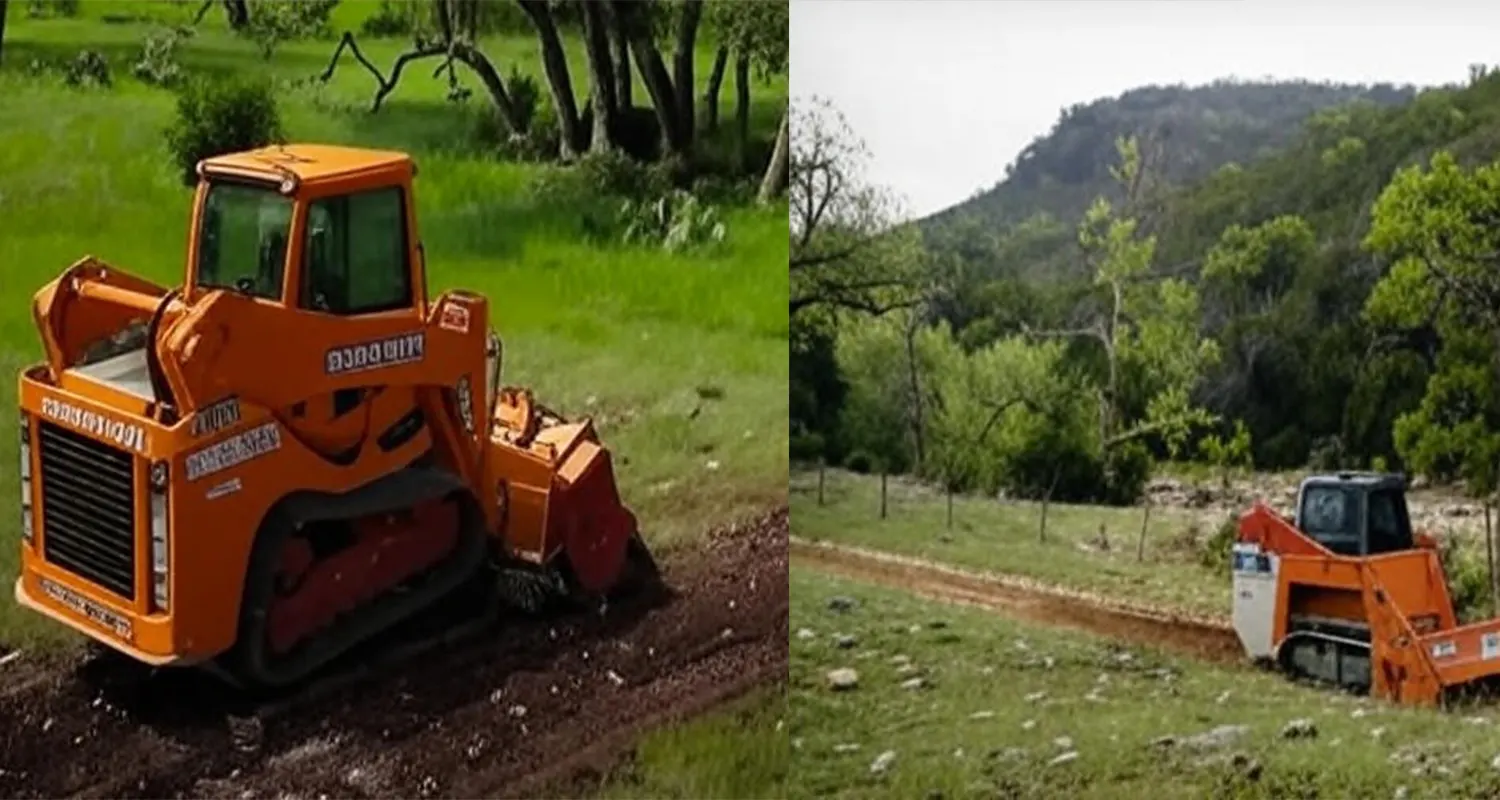
Der EP-EW-4000 verwendet eine rotierende Zinkentrommel – eine Reihe von Federstahlzinken, die auf einer horizontalen Trommel montiert sind und von der 540 U/min starken Zapfwelle des Traktors angetrieben werden. Während der Traktor vorwärts fährt, streifen die rotierenden Zinken die Bodenoberfläche entgegen der Fahrtrichtung ab, lösen Oberflächensteine und rollen diese nach hinten zu einem konzentrierten Schwad hinter der Maschine. Die Zinken dringen etwa 5–10 cm tief in den Boden ein (vom Fahrer über die Höhenverstellung des hinteren Gleitkufensystems einstellbar) und sammeln Steine aus dieser oberen Sammelzone, während der Boden unterhalb der Eindringtiefe der Zinken weitgehend unberührt bleibt.
↳ Eindringtiefe der Zinken
Die Einstellung erfolgt über die Höhe der hinteren Gleitkufen – niedrigere Gleitkufen bedeuten tieferes Eindringen der Zinken, was zu stärkerer Bodenbearbeitung, aber besserer Aufnahme kleiner Steine führt. Auf Straßenoberflächen und etablierten Rasenflächen sollten die Gleitkufen angehoben werden, um unnötige Oberflächenbeeinträchtigungen zu vermeiden. Ziel: Die Zinken sollen die Bodenkruste gerade durchdringen, ohne in festem Boden sichtbare Furchen zu bilden.
↳ Schwadposition
Die EP-EW-4000 lagert den gesammelten Steinschwad hinter der Maschine in der Arbeitsmitte ab. Die nachfolgenden Überfahrten sind so geplant, dass das Sammelfahrzeug CT-2100 der Schwadlinie folgen kann – die Fahrtrichtung wird dabei auf die optimale Sammelbahn des CT-2100 ausgerichtet, um eine maximale Aufnahmeeffizienz zu gewährleisten.
↳ Maximale Steingröße
Die Zinken des EP-EW-4000 sammeln effektiv Steine bis zu einem Gewicht von ca. 40 kg pro Stein. Größere Steine können durch die Rotationskraft der Zinken nicht bewegt werden – sie stoppen die Zinkentrommel kurzzeitig oder werden seitlich weggerollt. Werden bei der Rechenprüfung mehrere Steine mit einem Gewicht von über 40 kg in einem Feldabschnitt gefunden, wird der Einsatz des THOR-Systems in diesem Abschnitt ausgelöst.
Betriebseinstellungen – Geschwindigkeit, Gleithöhe und Überholplanung
Die Leistung des EP-EW-4000 wird durch drei Variablen gesteuert: Fahrgeschwindigkeit, Kufenhöhe (Eindringtiefe der Zinken) und Fahrspurplanung. Korrekte Einstellung für jeden Anwendungsbereich:
Landwirtschaftliches Feld – Standardaufbau
Geschwindigkeit: 4–6 km/h. Der niedrigere Wert (4 km/h) maximiert die Vollständigkeit der Kleinsteinsammlung bei Durchfahrten mit feinem Gestein. Der höhere Wert (6 km/h) ermöglicht eine effiziente großflächige Abdeckung, wenn die Steindichte gering ist und die Vollständigkeit der Sammlung sehr kleiner Steine weniger kritisch ist.
Kufenhöhe: Die Zinken sollten so eingestellt werden, dass sie die Bodenkruste nur leicht berühren, ohne sichtbare Rillen auf festem, leicht feuchtem Frühlingsboden zu hinterlassen. Nach der ersten Testfahrt über 20 m sollte die Einstellung angepasst werden – dabei das Schwadprofil und die Oberfläche hinter den Zinken überprüfen.
Orchard Alley – schmale Straßenführung
Geschwindigkeit: 4–5 km/h — Obstbautraktoren fahren in der Regel langsamer als Feldtraktoren; überprüfen Sie, ob die Vorwärtsgeschwindigkeit des Traktors mit der Zapfwellen-Einschaltdrehzahl von 540 U/min übereinstimmt, ohne dass die Trommeldrehzahl zu hoch ist.
Kufenhöhe: Das Harken sollte etwas über die Feldhöhe hinausragen, damit der Rasen oder die Bodenbedeckung im Obstgartenweg nicht unnötig beschädigt wird. Es sollte die Oberfläche von Steinen befreien, ohne dass kahle Erdstreifen im Obstgartenweg zurückbleiben.
Nachfolge-Sweep nach THOR
Geschwindigkeit: Bei einer Geschwindigkeit von 5–6 km/h sind die Steine nach der THOR-Behandlung bereits fragmentiert und liegen an der Oberfläche. Durch den Rechenvorschub werden sie zu Haufen zusammengeführt, die sich effizienter mit dem CT-2100-System sammeln lassen als durch die direkte Sammlung des CT-2100-Systems von der verstreuten Oberfläche.
Kufenhöhe: Standardeinstellung für das Feld. Der mit THOR aufbereitete Boden ist bereits gelockert – die Zinken dringen ohne spezielle Einstellungen problemlos bis zur Sammeltiefe ein.
Anträge für Obstgärten, Ginsengalleen und Hülsenfruchtjahre

Der Leistungsbedarf des EP-EW-4000 von 75 PS und seine vergleichsweise schonende Oberflächenwirkung (kein Zerkleinern, keine Bodenwenden) machen ihn zur Standardwahl für eine breite Palette koreanischer landwirtschaftlicher Anwendungen, bei denen die 180 PS Leistung und die Steinbrechfunktion des THOR 2.4 entweder nicht verfügbar oder unnötig sind:
Koreanische Apfel-, Birnen- und Kaki-Plantagen
In den Obstbaumalleen der Highlands sammeln sich jährlich durch Frosthebung Steine an der Oberfläche an, da die Böden dort aus denselben Granitböden bestehen wie die Ackerflächen. Die Arbeitsbreite des EP-EW-4000 von 3,6 m ist typischerweise größer als eine Standard-Obstbaumallee (2,5–3,5 m), weshalb versetzte Überfahrten erforderlich sind. Die Zinkenhöhe wird so eingestellt, dass die Grasnarbe geschont wird. CT-2100 Die Sammlung erfolgt entlang der Schwaden. Die jährliche Räumung der Obstgartenalleen im März verhindert Reifenpannen durch Erntemaschinen während der Obsterntezeit von August bis November.
Ginseng-Feldalleen (während der 6-jährigen Anbauzeit)
Wie im Leitfaden zur Steinentfernung im Ginseng beschrieben, dient der EP-EW-4000 während des jährlichen Wachstumszyklus des Ginsengs der Instandhaltung der Gänge – nicht der Steinentfernung im Beet. Die Gangbreite von 60–80 cm erfordert eine schmale Arbeitsbreite: ein Traktorrad pro Gang, wobei der EP-EW-4000 beidseitig leicht in die angrenzenden Gänge hineinragt. Einige Ginsengbauern in Gangwon-do verwenden schmalere Spezialrechen für die Gangpflege – klären Sie vor dem Einsatz mit Korea Watanabe ab, ob die Arbeitsbreite des EP-EW-4000 mit der Geometrie Ihres Ginsengbeets kompatibel ist.
Leguminosenjahr in der Vierfruchtfolge
Im Leguminosenjahr (4. Jahr der Fruchtfolge Kartoffel–Rettich–Kohl–Leguminosen) ist der Aufwand für die Steinbekämpfung minimal. Auf etablierten Feldern ist jährlicher Frosthub die einzige Ursache für Steinaustritt. Der EP-EW-4000 übernimmt diese leichte jährliche Wartung im Leguminosenjahr – der THOR 2.4 ist nicht erforderlich und sollte auf voll entwickelten, steinarmen Leguminosenfeldern nicht eingesetzt werden. Durch die richtige Maschinenauswahl im Leguminosenjahr reduzieren sich die jährlichen Betriebsstunden und der Zahnverschleiß des THOR 2.4 um ca. 20–251 TP5T auf einem Betrieb mit vier Fruchtfolgen. Dies verlängert die Wartungsintervalle des THOR und senkt die jährlichen Betriebskosten.
Jährliche Wartung des EP-EW-4000 – einfach, aber unerlässlich
Der Wartungsaufwand des EP-EW-4000 ist deutlich geringer als beim THOR 2.4 – seine mechanische Einfachheit (Zinkentrommel, Zapfwellenantrieb, Gleitkufenverstellung) bedeutet weniger Verschleißteile und kürzere Wartungsintervalle. Wird die Wartung des Zinkentrommellagers und der Zinkenaustausch jedoch vernachlässigt, führt dies zu einem spürbaren Leistungsabfall, den die Bediener oft eher den „Feldbedingungen“ als dem Maschinenverschleiß zuschreiben.
| Intervall | Aufgabe | Symptom bei Vernachlässigung |
|---|---|---|
| Vor jeder Saison (Februar) | Prüfen Sie alle Zinken – ersetzen Sie verbogene, verkürzte (unter 701 TP5T der neuen Länge) oder gerissene Zinken; fetten Sie die Zinkentrommellager; prüfen Sie die Zapfwellengelenke; stellen Sie sicher, dass der Mechanismus zur Höhenverstellung des Gleitkufensystems frei beweglich ist. | Verbogene Zinken lassen Steine liegen und mindern die Qualität des Steinhaufens; abgenutzte Zinken verringern die Vollständigkeit der Steinsammlung bei kleineren Steinen. |
| Alle 8 Betriebsstunden | Die Lager der Zinkentrommel am Ende fetten; nach starkem Steinkontakt auf Zinkenbrüche prüfen; sicherstellen, dass die Zapfwellenabschirmung intakt ist. | Die Lager der Trockenzinkentrommel quietschen unter anhaltender Rotationsbelastung – bei einem Defekt muss die Trommel ausgebaut und die Lager ausgetauscht werden. |
| Zwischensaisoninspektion | Wenn die Vollständigkeit der Sammlung sichtbar nachgelassen hat: Messen Sie alle Zinken erneut und ersetzen Sie verschlissene Teile; überprüfen Sie erneut die Einstellung der Gleitkufenhöhe (Gleitkufenbolzen können sich durch Vibrationen lockern). | Die Abweichung der Gleithöhe führt zu ungleichmäßigem Eindringen der Zinken – von zu flach (kleine Steine werden nicht erfasst) bis zu zu tief (Bodenstörung). |
| Saisonende | Alle Zinken unterhalb der Verschleißgrenze ersetzen; Zinkentrommel und Zapfwelle von Schmutz befreien; alle Schmierstellen vor der Einlagerung einfetten; Zapfwellengelenke vor Winterkorrosion schützen | Eine Maschine, deren Zinken an der Grenze zur Verschleißgrenze gelagert wurden, beginnt im nächsten Frühjahr mit reduzierter Leistung – die kostengünstige und wirkungsvolle Wartungsmaßnahme |
EP-EW-4000 im kompletten koreanischen Steinmanagementsystem
Die EP-EW-4000 ist keine Einzelmaschine – sie arbeitet als Teil des dreiköpfigen koreanischen Hochland-Steinmanagementsystems zusammen mit dem Steinbrecher THOR 2.4 und dem Gesteinssammler CT-2100. Das Verständnis des Zusammenspiels der drei Maschinen verdeutlicht, wann welche zum Einsatz kommt und wie durch ihre kombinierte Abdeckung der Standard von null Steinrückständen auf allen Feldtypen und unter allen Gesteinsbedingungen erreicht wird.
Die Gesamtbetriebskosten des Drei-Maschinen-Systems werden maßgeblich vom THOR 2.4 bestimmt (höchste PS-Zahl, höchste Kosten durch Zahnverschleiß). Die richtige Auswahl der Jahre und Feldabschnitte, in denen der EP-EW-4000 ausreicht – anstatt standardmäßig immer den THOR einzusetzen – ist die Managemententscheidung, die den Betrieb des Systems über den gesamten koreanischen Hochland-Landwirtschaftskalender hinweg wirtschaftlich hält. Auf einem gut bewirtschafteten 10 ha großen Hochlandbetrieb mit vier Fruchtfolgen ist der EP-EW-4000 typischerweise 30–40 Stunden pro Jahr im Einsatz, der THOR 2.4 hingegen 15–25 Stunden. Die leichtere Maschine leistet somit mehr Gesamtstunden zu geringeren Kosten pro Stunde, während die schwerere Maschine für Aufgaben eingesetzt wird, die ihre Leistungsfähigkeit tatsächlich erfordern.
Häufig gestellte Fragen
Woran erkenne ich im Gelände, ob ein Stein über oder unter der 40-kg-Grenze liegt?
Eine praktische Feldmethode: Ein 40 kg schwerer Stein aus koreanischem Granit (Dichte ca. 2.650 kg/m³) hat einen Durchmesser von ca. 15–18 cm (Kugelformel). Sie können dies abschätzen: Ein Stein, den eine Person anheben und tragen kann, wiegt mit ziemlicher Sicherheit unter 40 kg. Ein Stein, der zwar von zwei Personen angehoben, aber noch manuell bewegt werden kann, wiegt ca. 40–80 kg – die Grenze für den EP-EW-4000. Bei mehreren Steinen dieser Größe ist in diesem Abschnitt der Einsatz des THOR erforderlich. Ein Stein, den zwei Personen ohne maschinelle Unterstützung nicht bewegen können, wiegt über 80 kg und erfordert den Einsatz des THOR 2.4. Notieren Sie während der Begehung im Frühjahr systematisch, wie viele Steine von zwei Personen bewegt werden müssen. Sind es mehr als 3–5 pro 100 m² Feldfläche, setzen Sie den THOR in diesem Abschnitt ein. Können alle Steine von einer Person bewegt werden, ist der EP-EW-4000 das geeignete Gerät.
Kann das EP-EW-4000 auf feuchten koreanischen Hochland-Frühlingsböden eingesetzt werden, ohne die Bodenstruktur zu schädigen?
Der EP-EW-4000 schont die Bodenstruktur auf nassem Boden im Vergleich zum PSW-3200 Rotavator, da seine Zinken den Boden nicht wenden oder verschmieren – sie kehren lediglich die Oberfläche und sammeln Steine auf. Der Einsatz des EP-EW-4000 auf sehr nassem, plastischem Boden (bei dem sich die Bodenoberfläche unter dem Gewicht des Traktors sichtbar verformt) führt jedoch zu einer Verdichtung der Fahrspuren. Diese Verdichtung ist bei Nässe unabhängig vom verwendeten Gerät unvermeidbar. Empfehlung: Warten Sie mit dem Einsatz des EP-EW-4000, bis die Bodenoberfläche das Gewicht des Traktors ohne sichtbare Verformung tragen kann (etwa 3–5 Tage nach starken Regenfällen auf typischen koreanischen Hochlandgranitböden). Die Zinkentrommel selbst hat nur eine minimale Wirkung auf die Bodenverdichtung an der Oberfläche – das Verdichtungsrisiko geht von der Belastung durch die Traktorräder aus, nicht vom Rechenmechanismus.
Wie hoch sind die jährlichen Kosten für den Austausch der Zinken beim EP-EW-4000?
Die Zinkenwechselhäufigkeit des EP-EW-4000 auf koreanischen Hochlandgranitböden hängt von den jährlichen Betriebsstunden und der Gesteinshärte ab. Die typische Zinkenstandzeit beträgt 60–120 Betriebsstunden, bevor die Zinken die Austauschschwelle 70% erreichen. Auf einem 10 ha großen Betrieb mit 30–40 Betriebsstunden pro Jahr ist ein Zinkenwechsel in der Regel alle 2–3 Saisons erforderlich – einige Zinken jährlich (diejenigen, die mit härteren Gesteinskonzentrationen in Kontakt kommen), andere halten 3–4 Saisons. Korea Watanabe hält EP-EW-4000-Zinkensätze in Korea auf Lager. Kontaktieren Sie Korea Watanabe für aktuelle Preise und Lieferzeiten. Bestellen Sie die Zinkensätze im Januar im Rahmen der Standard-Vorbereitung auf die Saison zusammen mit THOR-Zahnsätzen und PSW-3200-Messersätzen, um die Teilebestellung in einer einzigen jährlichen Beschaffung zu bündeln.
Ist der EP-EW-4000 für koreanische Subventionen für Landmaschinen berechtigt?
Ja – die EP-EW-4000 ist im Rahmen des koreanischen Förderprogramms für Landmaschinen in der Kategorie „Maschinen zur Bodenverbesserung“ förderfähig, genau wie die THOR 2.4 und die CT-2100. Korea Watanabe besitzt die koreanische Zertifizierung für die EP-EW-4000 und stellt die vollständigen Förderunterlagen kostenlos zur Verfügung. Betriebe, die mehrere Maschinen zur Steinbekämpfung (EP-EW-4000 + CT-2100 + THOR 2.4) erwerben, können alle drei in einem einzigen jährlichen Förderantrag einreichen – vorbehaltlich der jährlichen Förderobergrenze pro Landwirt. Korea Watanabe berät Sie gerne zur optimalen Gestaltung von Anträgen für mehrere Maschinen, um die Fördermittel für das gesamte System in einem einzigen oder gestaffelten Antrag bestmöglich auszuschöpfen.
Wie viele Überfahrten benötigt die EP-EW-4000, um ein sauberes Feld auf einem 5 ha großen Hochland-Gemüseanbaugebiet zu erzielen?
Auf einem etablierten Hochlandfeld mit leichter bis mäßiger Frosthebung erzielt der EP-EW-4000 eine wirtschaftlich ausreichende Oberflächenräumung in einem Arbeitsgang pro Reihenabstand, ausgerichtet auf die nachfolgenden Sammellinien des CT-2100. Ein einziger Schwadendurchgang mit 4–5 km/h über 5 ha (bei 3,6 m Arbeitsbreite = ca. 14 Durchgänge über die Feldbreite + Wendemanöver am Vorgewende) dauert etwa 2–3 Stunden effektive Maschinenzeit – typischerweise einen halben Vormittag. Die Sammlung des nach den Schwaden abgezogenen Komposts mit dem CT-2100 benötigt eine ähnliche Zeit, sodass die jährliche Räumung von 5 ha mit EP-EW-4000 + CT-2100 an einem einzigen Arbeitstag abgeschlossen werden kann. Zum Vergleich: Die gleiche Fläche von 5 ha mit THOR 2.4 + CT-2100 (180 PS Maschine, tiefere Eindringtiefe, geringere Fahrgeschwindigkeit) benötigt ca. 1,5–2 volle Arbeitstage. Der Zeit- und Kostenvorteil der EP-EW-4000 auf bestehenden Leichtgesteinsfeldern ist der Hauptgrund dafür, dass beide Maschinen im koreanischen Hochlandsystem zum Einsatz kommen.
EP-EW-4000 Konfiguration und Bestandsbestätigung
Betriebstyp (Hochlandgemüse / Obstgarten / Ginseng) + Fläche (ha) + jährliche Steinhistorie → EP-EW-4000 allein oder EP-EW-4000 + THOR 2.4-Empfehlung mit Vorbereitung der Fördermittelunterlagen. Korea, Watanabe, Ansan-si, Gyeonggi-do.
Herausgeber: Cxm